A personalização é uma nova tendência no setor. Do marketing à criação de produtos impressos personalizados, essa é uma nova tendência. Entretanto, os métodos de impressão variam de um material para outro. Além disso, cada método de impressão tem recursos diferentes e oferece desafios exclusivos.
Por exemplo, a impressão em borracha de silicone é bem diferente da impressão em tecido. Isso se deve ao fato de a borracha ter baixa energia e pouca absorção de tinta, o que resulta em baixa visibilidade.
Entretanto, existem alguns métodos que oferecem impressão fácil e alta visibilidade. Hoje, discutiremos os principais métodos e processos passo a passo para impressão em borracha de silicone.
Guia passo a passo para imprimir em borracha de silicone
Para a borracha de silicone, você deve ter as ferramentas certas e imprimir com o sistema de tinta certo. Adicionamos cinco métodos essenciais para a impressão em borrachas de silicone.
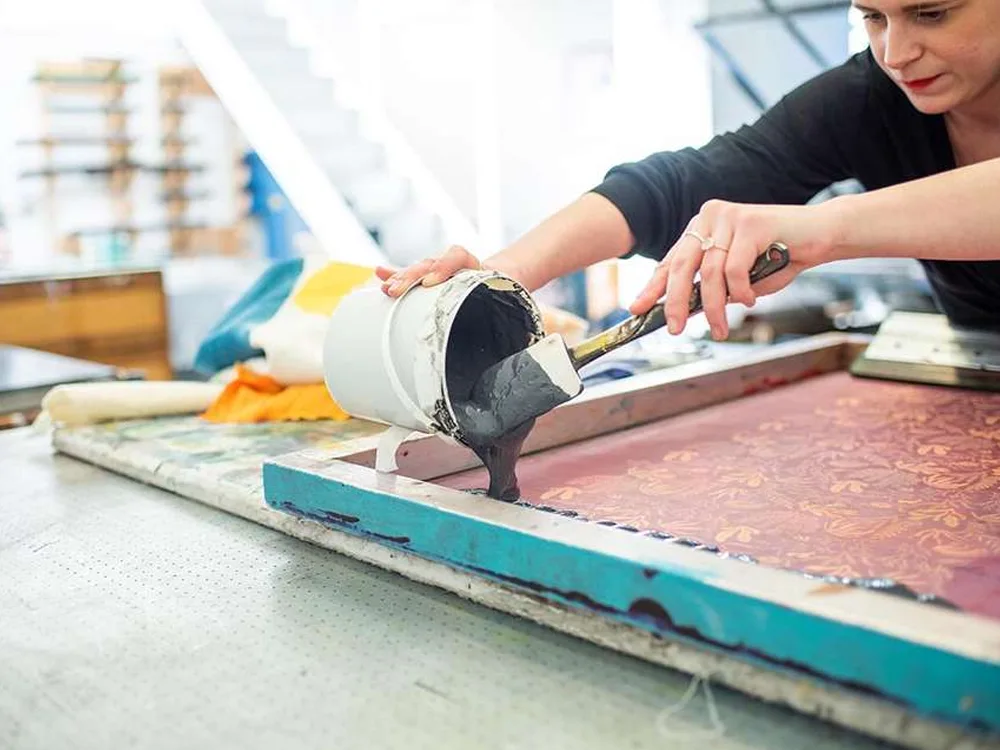
Impressão em tela
A impressão em tela envolve o uso de uma tela para transferir a impressão para o silicone. É um método rápido, eficaz e inovador, comumente usado em vários setores industriais.
Aqui estão algumas coisas que você deve saber.
- Ideal para produção em massa, pois você pode produzir impressões rapidamente.
- Ele funciona muito bem para gráficos e logotipos simples.
- A impressão em tela ajuda a transferir camadas de tinta espessas e opacas para a superfície.
- Uma coisa que você deve saber: você precisa de tintas de silicone especializadas.
Impressão em bloco
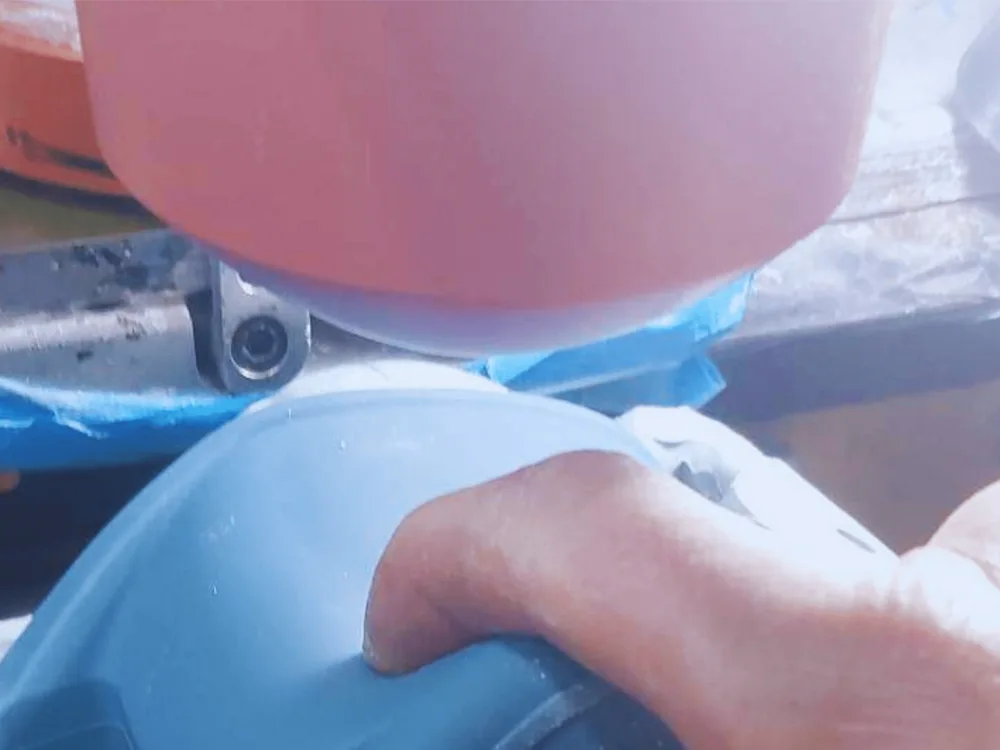
Como as borrachas de silicone são um material flexível. Imprimir na superfície é difícil, pois essa superfície pode incluir curvas críticas que podem distorcer as impressões.
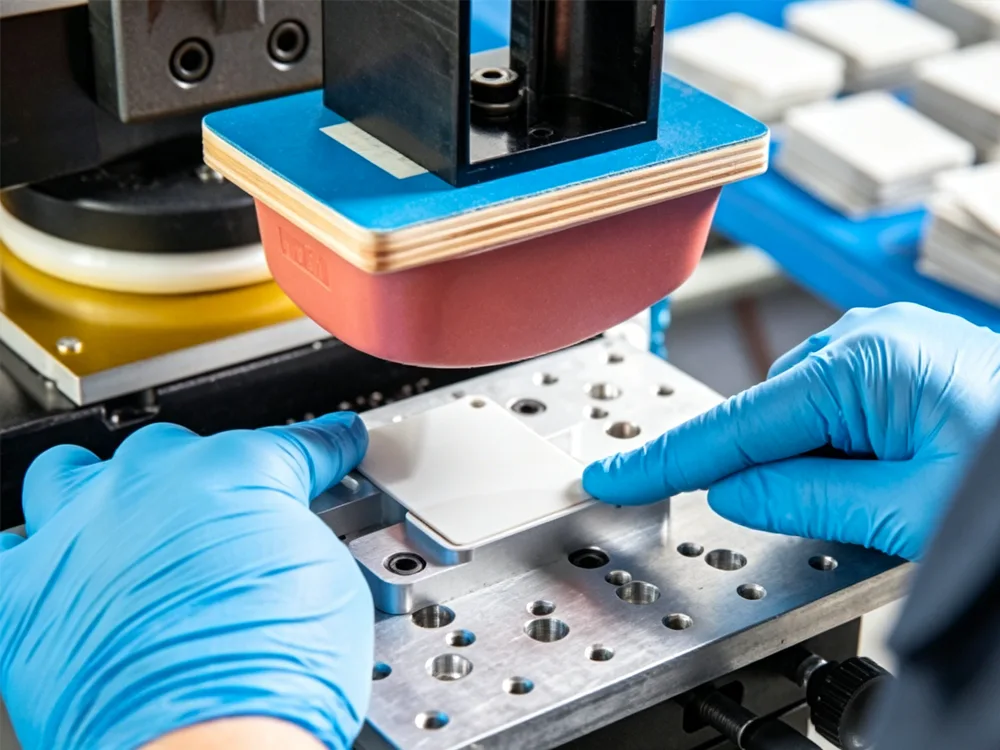
Esse processo de impressão envolve almofadas para transferir as impressões para o material. No entanto, há alguns aspectos a serem considerados na impressão em bloco.
- Ele é adequado para formas pequenas ou irregulares e para produção em tempo hábil.
- O ponto positivo é a alta precisão para logotipos detalhados e designs intrincados.
- Adequado para impressão em várias superfícies
- O tamanho da área de impressão é limitado quando se usa o processo de tampografia.
Impressão por transferência térmica
A transferência de calor é famosa para fins decorativos e tem sido usada há décadas. O calor transfere os desenhos do filme para os materiais de borracha de silicone.
Ele tem os seguintes recursos.
- Você tem uma ampla gama de cores e gráficos coloridos.
- Se você tiver projetos complexos, a transferência de calor pode transmiti-los facilmente.
- Você deve usar equipamentos de prensa térmica de alta qualidade para obter melhores resultados.
- Nesse processo, a adesão depende da preparação da superfície. Se você não preparar sua superfície muito bem, o resultado poderá não ser o esperado.
Marcação a laser
Talvez você se pergunte, mas o laser pode ser usado para imprimir os desenhos. No entanto, eles podem não ser coloridos e são bons para criar logotipos, gráficos e esboços nos materiais de borracha.
Você deve conhecer os seguintes recursos.
- O laser produz desenhos extremamente duráveis e permanentes na superfície da borracha de silicone.
- Como o laser faz o esboço da estrutura, não há necessidade de tinta.
- Esse método é adequado apenas para aplicações industriais.
- Limitado a designs monocromáticos
Impressão digital
A impressão digital é um método mais novo e mais criativo usado atualmente devido à maior acessibilidade de impressão. Ele envolve maquinário avançado e imprime diretamente na superfície.
Não há necessidade de filme ou transferência de calor. No entanto, você deve estar ciente dos seguintes pontos.
- A gama de impressão de alta resolução e totalmente colorida está disponível com esse método.
- É adequado para pequenos lotes.
- Você precisa do tratamento de superfície.
- Esse processo é mais caro do que os métodos tradicionais devido ao maquinário pesado e caro necessário.
| Método de impressão | Tipo de superfície adequada | Capacidade de cores | Nível de detalhe | Adequação da produção | Nível de durabilidade | Requisito de cura |
|---|---|---|---|---|---|---|
| Impressão em tela | Plano e ligeiramente curvado | Cores limitadas (por camada) | Médio | Produção de alto volume | Alta | Necessidade de cura por calor |
| Impressão em bloco | Curvo e irregular | Cores limitadas | Alta (projetos pequenos) | Produção média | Médio a alto | Cura por ar ou calor |
| Impressão por transferência térmica | Plano e levemente curvado | Colorido | Alta | Lotes pequenos e médios | Médio a alto | É necessária uma prensa térmica |
| Marcação a laser | Todos os tipos de silicone | Monocromático | Muito alto | Aplicações industriais | Muito alta (permanente) | Não é necessário curar |
| Impressão digital | Superfícies planas e lisas | Colorido | Muito alto | Pequenos lotes/trabalho personalizado | Médio a alto | Cura por UV ou calor |
Explorando 5 métodos principais para impressão em borracha de silicone
Antes de imprimir em borracha de silicone, preste atenção ao material e deixe-o pronto para aceitar o design. Comece do zero com a preparação do design e do material.
Aqui estão algumas etapas necessárias.
Etapa 1: Preparação do projeto
Atualmente, ferramentas avançadas ajudam a criar layouts 2D ou 3D para impressão. Por exemplo, você tem acesso ao CorelDraw, Photoshop ou Adobe Illustrator.
Certifique-se de que seu design tenha os seguintes recursos.
- Use arquivos de alta resolução com DPI de 300 ou mais para obter qualidade de impressão.
- Escolha gráficos claros e arrojados que sejam visíveis na borracha de silicone.
- Meça as dimensões de sua borracha de silicone e ajuste o tamanho com base no produto.
- Converta para formatos compatíveis. Por exemplo, estão disponíveis os formatos de arquivo PNG, JPG ou PSD.
Etapa 2: Preparação da superfície
Depois que você tiver o design, é hora de investir na preparação da superfície. Esse processo garante uma impressão de alta qualidade e produz um resultado arrojado e visível. Aqui estão algumas dicas de preparação da superfície.
- Use álcool para limpeza e eliminação de pequenos defeitos ou partículas de poeira.
- Seque a superfície completamente para garantir uma impressão clara.
- Aplique tratamento por chama ou plasma para limpeza da superfície.
- Use um primer somente quando for essencial.
Etapa 3: Design de impressão
Quando você tiver o design e a superfície, deve considerar a impressão. As principais etapas da impressão incluem:
- Confirme sua área de impressão e defina seu design dentro dela com precisão.
- Aplique a tinta uniformemente na superfície para obter um acabamento uniforme e elegante.
- Mantenha uma pressão consistente para permitir que a borracha absorva a tinta.
Etapa 4: Cura e secagem
Depois de imprimir o design, deixe a tinta secar e, em seguida, trate a área recém-impressa para aumentar a durabilidade. As práticas recomendadas incluem:
- Siga as configurações de temperatura recomendadas. Seque e cure as impressões na temperatura necessária.
- Certifique-se de que haja tempo de cura suficiente para impressões padrão.
- Aguarde até que o desenho seque completamente.
Etapa 5: Inspeção de qualidade e acabamento
Dê uma última olhada na garantia de qualidade. Faça uma inspeção minuciosa e procure por impressões com interrupções. Aqui estão mais informações para verificar.
- Verifique o alinhamento e a clareza do design.
- Teste a adesão e a flexibilidade do design.
- Inspecione se há defeitos e padrões inesperados.
Dicas para escolher o processo correto de impressão de borracha de silicone
A impressão de borracha de silicone é tecnicamente desafiadora. O método e o maquinário corretos podem fazer a mágica. Siga as dicas abaixo para obter os melhores resultados.
Selecione o método de impressão correto
Os métodos de impressão são decisivos e podem ajudar a elevar a qualidade geral da impressão. Além disso, você pode ser uma empresa que deseja estocar produtos e designs.
Com base em suas necessidades, você deve considerar as seguintes opções.
- Se quiser fazer negócios ininterruptos, use a impressão em tela para grandes lotes e produção em massa.
- Escolha a impressão em bloco para itens pequenos e curvos com áreas de difícil acesso.
- A transferência de calor é adequada apenas para projetos complexos.
- Você deve preferir a marcação a laser para obter marcas permanentes.
Garante uma forte adesão da tinta
Impressões duráveis exigem a preparação adequada da superfície. Você deve sempre limpar bem as superfícies com materiais à base de álcool para uma melhor limpeza. Além disso, use tintas compatíveis que adiram firmemente à superfície para melhorar a qualidade da impressão.
Às vezes, é necessário um primer antes da impressão final. Você deve aplicar o primer e ativar a superfície para deixá-la pronta para a impressão.
Manter a consistência
A impressão consistente é fundamental. No entanto, isso é possível quando você tem as mesmas ferramentas, tecnologia de impressão e métodos em todo o processo de produção.
Para fins de consistência, aqui estão as práticas recomendadas.
- Use equipamentos calibrados que ofereçam resultados consistentes.
- Treine os operadores adequadamente para obter resultados consistentes em todo o processo de produção.
- Faça a manutenção regular das máquinas para obter uma impressão de qualidade eficaz.
- Realizar inspeções de rotina e remover defeitos menores ou maiores.
Evite erros
Suponha que você tenha imprimido os designs, mas eles não parecem vibrantes. Você sabe onde está cometendo os erros? Pode ser:
- Você pode pular o tratamento de superfície que imprime o desenho, mas ele começa a descascar. O tratamento adequado é necessário para manter o design e garantir a durabilidade.
- O uso de tintas incorretas afeta a qualidade da impressão. Use somente tintas de borracha de silicone adequadas.
- Técnicas de cura inadequadas realizam as tarefas de cura, mas não oferecem longevidade.
- O desalinhamento dos designs pode causar um alinhamento desordenado do padrão.
Perguntas frequentes
Por que é difícil imprimir em borracha de silicone?
O silicone tem baixa energia de superfície, o que dificulta a aderência e a retenção das tintas. Portanto, a impressão em materiais de silicone é tecnicamente difícil, a menos que você use os métodos corretos.
Qual tinta é a melhor opção para a impressão em silicone?
As tintas à base de silicone são as melhores opções para impressão em silicone. Elas se ligam às superfícies flexíveis e proporcionam uma impressão de design de alta qualidade.
É possível imprimir em silicone sem tratamento de superfície?
Sim, você pode, mas nunca é recomendável ficar sem tratamento porque a qualidade da impressão é ruim. Depois de algum tempo, a impressão também poderá se descolar.
As impressões de silicone são duráveis?
Sim. As impressões de silicone são duráveis se você usar tinta de alta qualidade e curá-las adequadamente. Além disso, escolha a impressão correta para obter impressões duráveis.
Qual é o método mais adequado para os produtos de silicone curvos?
As superfícies curvas de silicone apresentam desafios únicos para a impressão. A tampografia é a melhor opção para as superfícies curvas de silicone.
Conclusão
Diferentemente de outros materiais, a impressão em materiais de silicone é normalmente desafiadora. Você deve preparar uma superfície adequada, usar tintas compatíveis e aplicar métodos de cura precisos. Vários métodos compatíveis incluem serigrafia, tampografia, transferência de calor e marcação a laser. Escolha o melhor entre eles.
Deseja adquirir máquinas de impressão de alta qualidade para materiais de silicone? Entre em contato Tecnologia de impressão automática de Dongguan. Temos mais de uma década de experiência e produzimos máquinas de qualidade superior. Você terá uma variedade de máquinas a preços acessíveis. Dê uma olhada em nossos produtos agora mesmo!