You see logos, beautiful prints, designs, and images on your everyday products. Have you ever wondered how that becomes possible? The secret lies in pad printing. But the success of pad printing depends mainly on the silicone pad. If you are new to this printing, you might ask: How to select the right silicone pad for a pad printing job?
Remember, the quality, appearance, and durability of the print during pad printing all depend on the right silicone pad. If you choose the wrong pad, your print may look faded, smudged, or may not stick properly. All this can ultimately lead to financial loss. But you need not worry! In this guide, I will explain why a silicone pad matters and how you can choose the best one for your needs. So let’s get started.
Customization is a new trend in the industry. From marketing to creating custom-printed products, it is a new trend. However, printing methods vary from one material to another. Moreover, each printing method has different features and offers unique challenges.
For example, printing on silicone rubber is pretty different from printing on fabric. It is due to the rubber’s low energy and poor ink absorption, resulting in low visibility.
However, there are a few methods that offer easy printing and high visibility. Today, we will discuss the top methods and step-by-step processes for printing on silicone rubber.
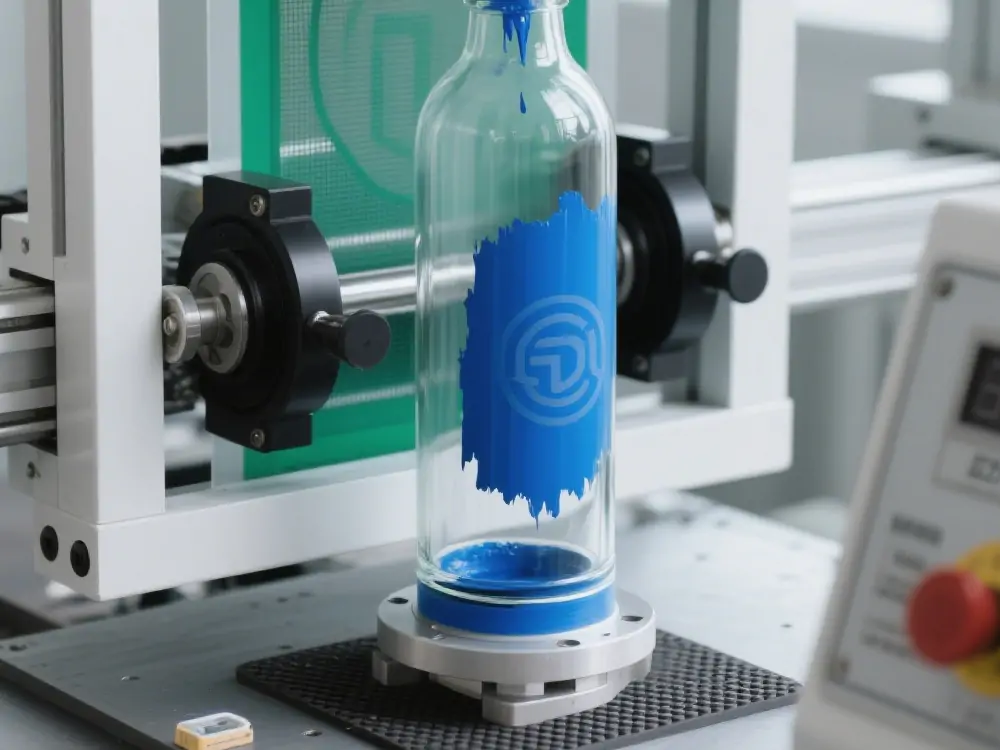
In this article, we will discuss how to print on glassware products and explore various technologies.
Printing on plastic products is very common in many industries today. You see logos, instructions, or decorative designs printed on almost all plastic products. But printing on plastic is not easy due to its smooth, curved, and irregular surface. That’s where pad printing machines come into play. But the question arises: How to print on plastic with a pad printing machine?
Screen printing is excellent for creating designs on a variety of clothing. However, machines and equipment used in screen printing are very costly. That’s where used screen-printing equipment comes in handy. Many businesses starting from scratch on a tight budget consider buying used equipment. However, there are 6 hidden risks of buying used screen printing equipment for high‑volume production. These risks can affect the quality of prints done through the used printing equipment. In this article, I will discuss these potential risks, especially for high-volume production.
In the past, screen printing was all done by hand. However, things have changed since advanced screen printers have made printing much easier. Some printing machines are fully automated, while others are semi-automated, requiring human effort. Their differences spark a debate over semi-automatic vs automatic screen printing machines.
Interestingly, both of these machines are suitable for different printing needs. You’ll see many people prefer automated cars mainly due to their speed. However, semi-automatic machines are also very useful, especially for small businesses. In this article, I will discuss all the key differences between these two screen printing machines.
Are you looking for a screen printing mesh selection Guide? You are on the right page. Actually, screen printing has become a popular method for creating designs on clothing, plastic, metal, and even glass. However, in screen printing, many people focus only on the design, ink, or printing machine. Right?
In all this, the most important part of the entire process, called the screen mesh, is often overlooked. The right screen mesh selection matters a lot as it directly affects your design. Choosing the wrong mesh can ruin your print’s finish and overall look. To help you decide, this guide covers key factors to consider when choosing a mesh for screen printing. So let’s get started.
Selecting a silk-screen printing machine that meets your production requirements is essential to your success. A pneumatic, a servo motor, or an electric system each comes with its advantages. Knowing these pros and cons will help you choose a machine that meets your budget, quality, and industrial production volume criteria.
You need to be very skilled and precise when printing plastic bottles. It isn’t easy to align because of the curved surface. Manual processes won’t always yield clean results. Modern printing technology can help address multiple problems. To get professional results, brands today use sophisticated screen printing on plastic bottles. Get ready! Because the competition…
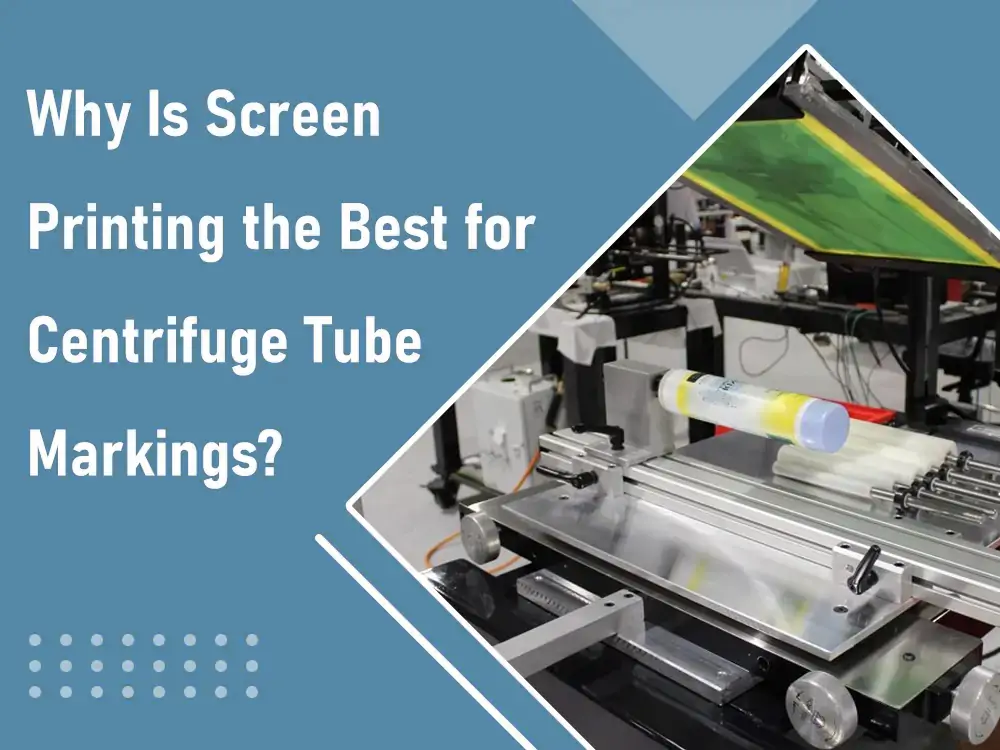
The centrifuge tube plays a vital role in storing and separating samples. In modern laboratories, small details like markings, labels, etc., matter a lot. Why? Because markings help scientists measure, identify, and track samples with accuracy. Hence, screen printing is most widely used for printing these markings. But many people ask: Why is screen printing…