Screen printing has become the most popular method for printing different items. That’s why starting this business can be profitable in the long term. In fact, the screen printing business is becoming increasingly popular. You’ll see many people interested in this business idea. However, there are many supplies and pieces of equipment one will need before getting started. If you are new to screen printing, you might wonder what equipment you need first for that shop. If so, worry not! In this article, I will discuss the equipment and supplies checklist for starting a screen printing shop.
Equipment & Supplies You Need to Start a Screen Printing Business
There is a long list of equipment and supplies for the screen printing shop. Once you understand their purpose, you will be able to invest wisely. Here are the major tools you will need for a screen-printing shop.
1- Screen Printing Press & Mesh
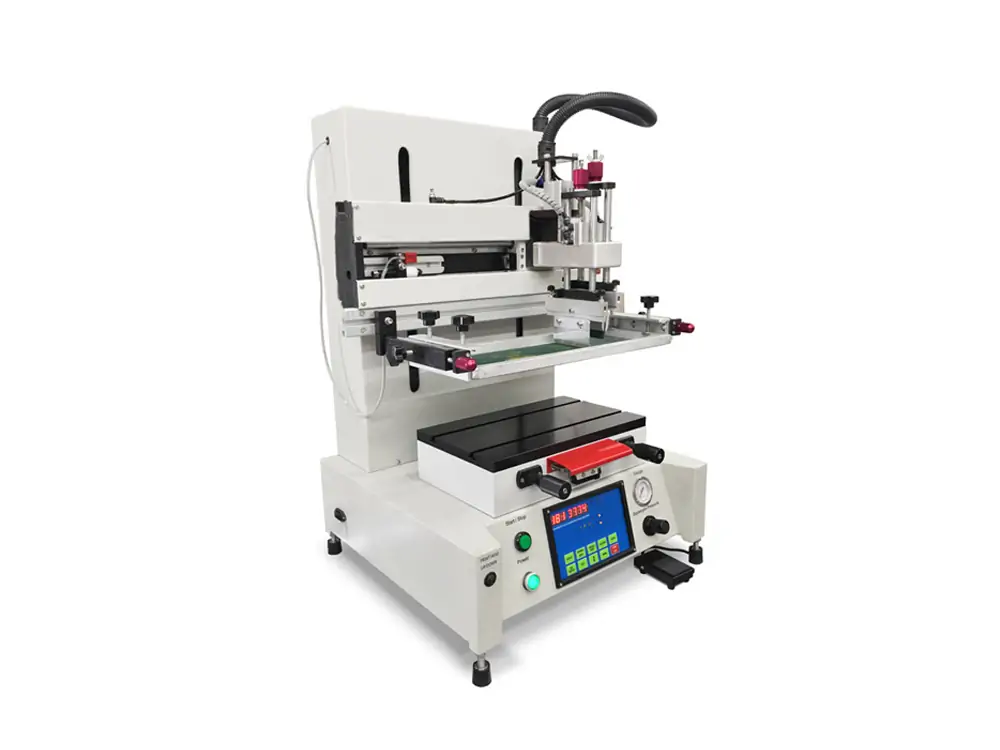
The screen printing press is the main machine that holds the screen firmly in place while you print the design onto the item. For curved objects, specialized cylindrical screen-printing machines are available. However, the mesh is like thin fabric with many pores. It stretches tightly across the screen frame. During printing, the ink will pass through those tiny holes to create the design.
2- Screens & Frames
The screen and frame in screen printing work together. The screen consists of a frame with a tightly stretched mesh attached to it. Without the screen, this printing method is incomplete. The design you want to print is first placed onto this screen. The mesh then allows ink to pass through specific areas, creating designs on different objects. After that, a frame tightly holds the mesh to create the final design. Before getting started, you must arrange screens and frames.
3- Emulsion & Sensitizer
Emulsion and sensitizer are liquids that create the design pattern on the screen before printing begins. These two materials are first mixed and spread over the screen mesh. Now, when you expose that screen to light, areas that receive light become hard, but the areas covered by the design stay soft. When you wash the screen with water, the soft parts wash away. However, there remain open spaces in the design.
4- Exposure Unit & Squeegees
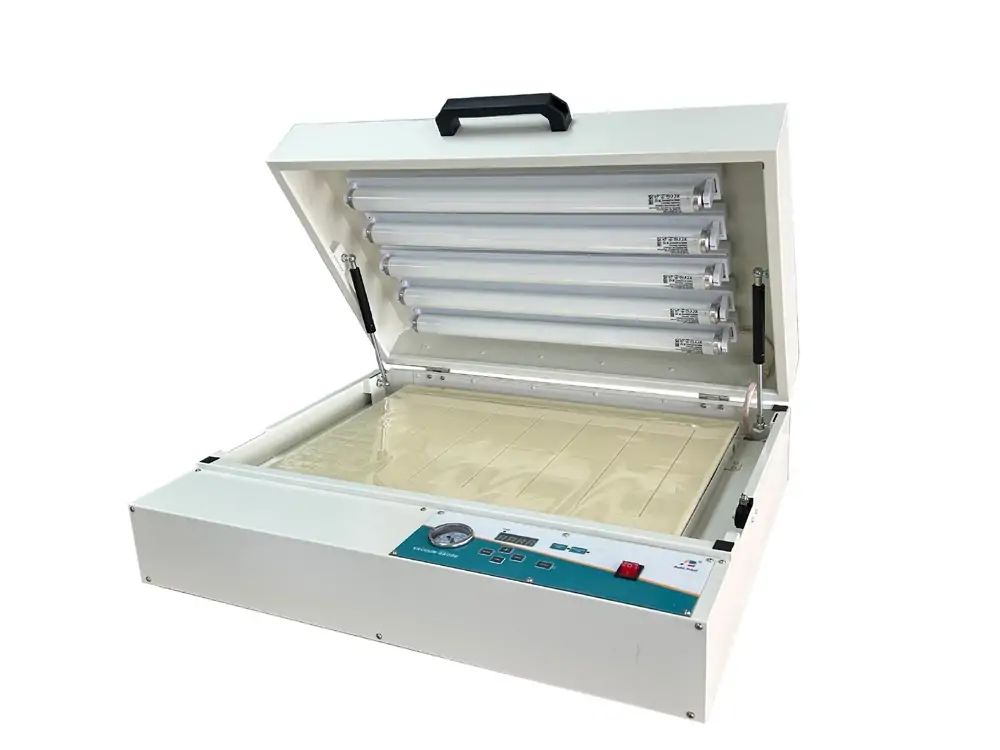
An exposure unit is a piece of equipment you will need to place a design onto a screen. When you coat the screen with emulsion, the exposure unit shines a strong light onto it. This creates the stencil you will use for printing. A squeegee is a hand tool that has a rubber blade. You will use it to push ink across the screen and force it through the mesh’s open areas onto the fabric you are printing on. A squeegee is an important tool in screen printing.
5- Screen Printing Inks & Drying Equipment
Now it comes to ink that actually helps you create a design. There are several types of this ink, including UV, plastisol, and water-based. Each of these printing inks has unique properties. Some are easy to remove while others are long-lasting. When starting a screen printing business, you must stock different types of printing inks. Having a variety of inks ensures you can satisfy customers with different needs. But since these inks are wet, you will need drying tools such as flash or conveyor dryers.
6- Computer & Design Software
Now modern screen printing demands precision, right? So that’s where the computer-aided design software comes in handy. The reason is that they help you create accurate designs. The computer is where you design or edit images you want to print. However, the software helps you turn those ideas into print-ready designs. Adobe Illustrator or CorelDRAW is the most commonly used software. Remember, expert designers must use this design software to create the designs. The reason is that design mistakes are unacceptable. If the design is wrong, the printer will end up making the wrong print.
7- Spray Adhesive & Tapes
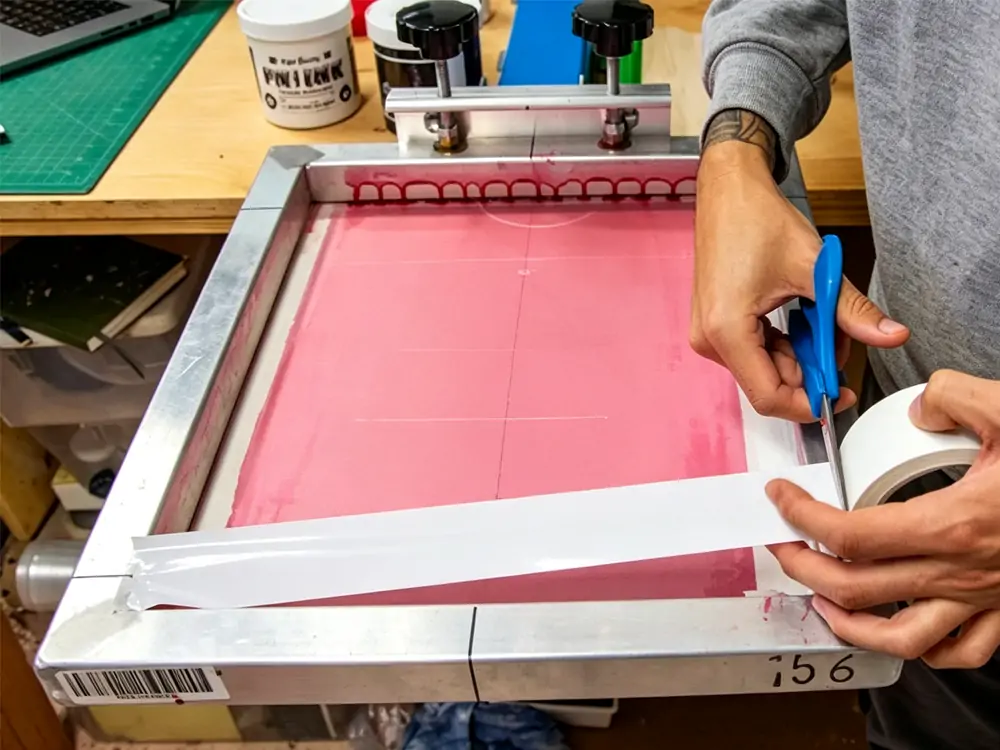
Both spray adhesives and tapes are very important supplies used in screen printing. As you know, you place the object you want to print on the flat surface (pallet). Apply spray adhesive to the pallet before you place the object (e.g., fabric) on it. This ensures the fabric does not move or wrinkle during printing. As a result, the design reaches the right spot due to the improved fabric stability. Additionally, you’ll also need tape to mask the edges of the screen. This way, ink won’t bleed outside the design, and you’ll get a smooth, precise print on the object.
8- Pallet Paper or Platen Covers
Pallet paper, also known as platen covers, is a small but very important supply for screen printing shops. You apply this protective sheet to the surface of the printing pallet. If this sheet is not present, the ink and spray adhesive will contaminate the pallet. Therefore, the operator first applies pallet paper to the pallet surface. After this, apply spray adhesive, and then place the fabric (t-shirt) on it for printing. Once you finish printing, remove the pallet paper. This way, the actual printing pallet remains safe and protected from ink stains and adhesives.
9- Chemicals Storage Containers
Chemical storage containers are a must-have for every screen printing workshop. These containers are small bottles with airtight caps. As you know, different types of chemicals are used in screen printing. These chemicals include emulsion, ink cleaners, degreasers, and emulsion removers. Each of these chemicals is placed and secured in separate chemical storage containers. Since these containers have airtight caps, the risk of chemical leakage is very low. Additionally, operators can also find them easily, as each container is marked with the specific chemical type it carries.
10- Cleaning Chemicals & Safety Tools
Lastly, there are cleaning agents and safety tools you must have for your screen printing shop. Cleaning chemicals generally include screen cleaner, emulsion remover, ink wash, and degreaser. They will help you remove any misprint spots, dirt, and ink. There are different types of cleaning chemicals available in the market. You’ll also need stain removers, especially if you’re printing designs on the garments. These stain removers will easily remove unwanted spots on the garment that could affect the prints. Safety tools, such as gloves and goggles, will protect you from hazardous chemicals and ink when you are printing.
Conclusion
Let’s conclude: screen printing is a modern method of creating unique designs on different objects. Using this method to print on garments is very common. Due to the popularity of screen printing, many think of entering the screen printing business. Undoubtedly, starting a screen printing shop can be a profitable business idea.
However, many screen printing service providers fail. Why? That’s because they start the shop without adequate equipment and supplies. As a result, they fail to fulfill the customers’ requirements and needs. In this article, I have discussed various screen-printing equipment and supplies that every shop must have. Before you start, you must invest in these supplies so your screen printing business does not struggle.