Printing on the fabric or glassware makes it look cool and elegant. This is why most brands are printing their logos on packages and promoting their brands. Custom-printed products have a global market value of 35 billion USD. (Research and Markets)
However, printing on glassware is different from printing on a t-shirt and presents unique challenges. It is because of the porous surface, which might absorb the ink and distort the entire printed pattern.
Fortunately, several printing methods and machines make printing on glassware easy. Today we will discuss how you can print on the glassware products and understand various technologies.
Top 5 Glassware Printing Methods You Should Consider
Glassware printing doesn’t use traditional sublimation methods. For durable prints, you have to rely on the five major printing methods discussed here.
| Printing Method | Suitable Surface Type | Color Capability | Detail Level | Production Suitability | Durability Level | Curing Requirement |
|---|---|---|---|---|---|---|
| Screen Printing | Flat & slightly curved | Limited colors (per layer) | Medium | High-volume production | High | Heat curing required |
| UV Printing | Flat & mildly curved | Full-color (CMYK) | Very high | Small to medium batches | High | UV light curing |
| Pad Printing | Highly curved & irregular | Limited colors | High (small designs) | Medium production | Medium to high | Air or heat curing |
| Etching / Frosting | All glass types | Monochrome (no ink) | Medium | Decorative / premium use | Very high (permanent) | No curing required |
| Digital Decal Printing | Flat & curved | Full-color | High | Custom & small batches | High | Kiln/heat curing required |
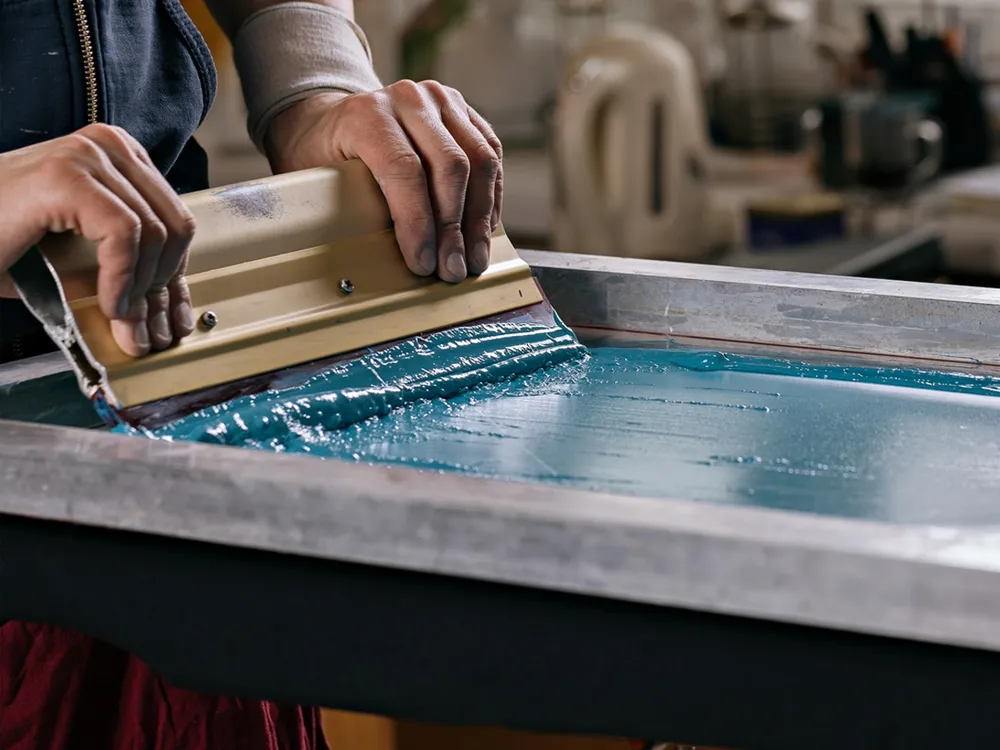
Screen Printing
Screen printing is one of the most commonly used methods in glassware products. It is good for bulk production.
This method involves using a screen that contains the prints and helps transfer them to the glassware products. However, screen printing is suitable for simple text, logos, or graphics.
The key features of the screen printing method include:
- Ideal for large production runs
- Provides thick, vibrant ink layers
- Works best for simple or limited-color designs
- Requires curing through heat for durability
UV printing
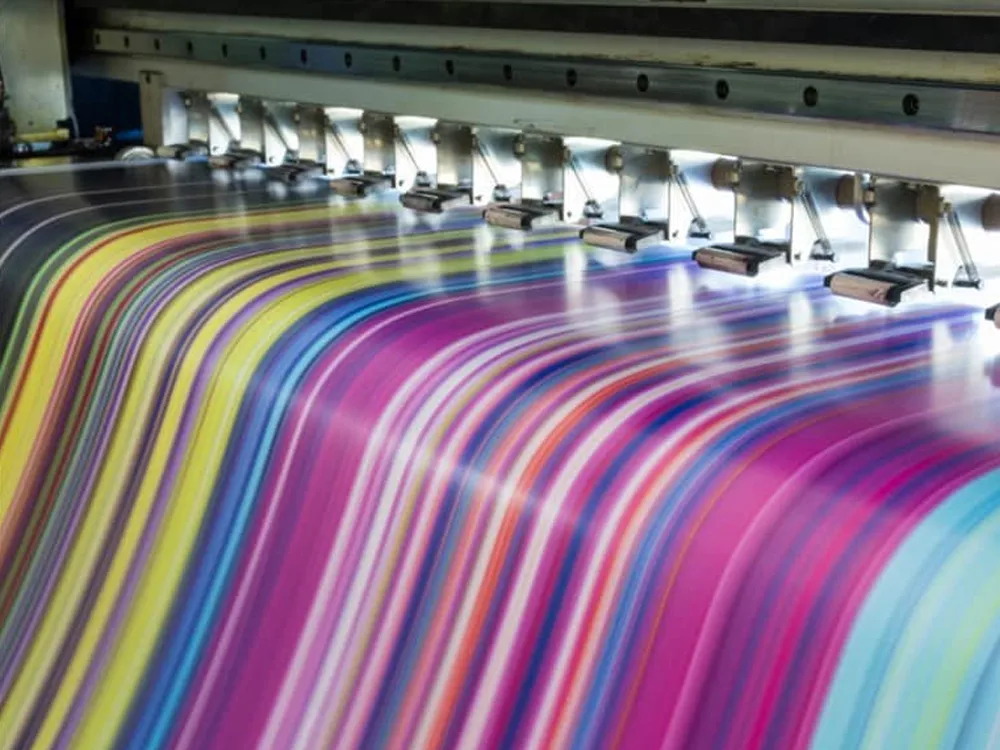
UV printing is an advanced technique with high durability and suitability for glass materials. This process involves UV light for curing.
For example, you design the print and prepare it. The printer applies ink to the glass, and UV light helps cure it, hardening it and giving it a durable finish.
Here are a few typical features of this printing method.
- Supports high-resolution and full-color prints
- No need for heat curing
- Suitable for intricate artwork and gradients
- Works on flat and slightly curved surfaces
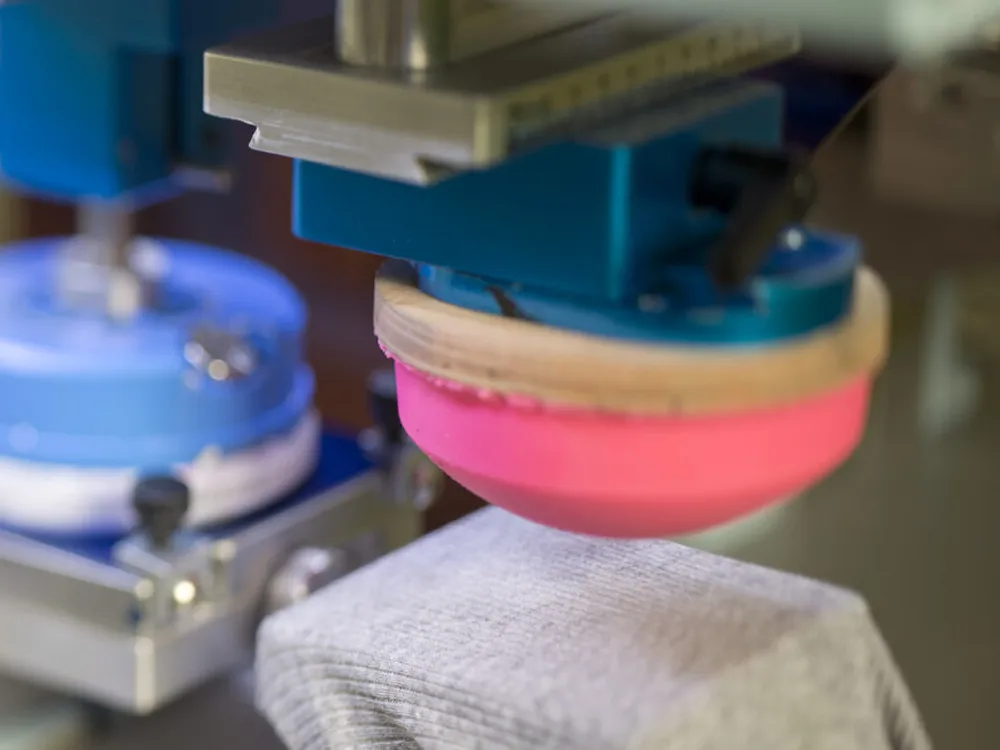
Pad Printing
Do you want to print designs on a curved glass surface? It is a challenging process, but it looks easy with pad printing.
A silicone pad transfers the design from an etched surface onto the glass materials. It allows ink to reach difficult areas of the glass.
The typical features of the pad printing process include:
- Excellent for irregular or curved shapes
- High precision for small designs
- Commonly used for logos and branding
- Limited to smaller print areas
Etching and Frost Printing
If you are looking for permanent prints, etching looks like an ideal method. Instead of spreading ink or printing the design, this method uses a chemical or sandblasting process to remove the glass layer and print the design.
Here are a few key features.
- Permanent and scratch-resistant
- No ink required
- Ideal for premium or decorative glassware
- Limited to monochrome designs
Digital Decal Printing
Decal printing is a unique method in which the design is first printed onto a decal. Then the decal helps transfer this design onto the glass surface using heat.
The prominent features include:
- Suitable for multi-color and detailed designs
- Works well for custom or small batches
- Requires heat curing
- Durable and long-lasting finish
Materials and Equipment Required for Glassware Printing
For successful design printing, you need the right materials and equipment. Remember, this process is different from fabric printing. So, a compatible solution is essential for durable prints.
Types of Ink
Glass materials don’t use the general inks. Instead, specialized inks adhere to glassware.
These inks might be:
- UV-curable inks for digital printing and print longevity.
- Ceramic inks for high-temperature firing are used in various printing settings.
- Solvent-based inks offer durable designs when applied properly.
- Eco-friendly inks are a new trend for safe applications and support sustainable practices.
Printing Machines
Printing machines vary depending on the printing method you use. A manual for automated machines can help print the design.
Here are a few types of printing machines with their ideal use cases.
- Screen printing machines are ideal selections when you have to produce bulk printing.
- UV printers can produce complex, high-resolution designs.
- Pad printing machines are good for printing on curved surfaces.
- Heat kilns for curing decals and durable printing.
Transfer Papers
Instead of printing designs directly on the glassware surfaces, the designs are printed onto transfer paper. Various methods are then used to transmit these designs onto the material surfaces.
Here are a few types of transfer papers.
- Water-slide decal paper is easy to apply.
- Heat transfer films offer better printing and greater design durability.
- Transparent films help see through designs and print them easily.
- High-quality paper ensures better results.
Drying and Curing Equipment
The drying and curing processes require specialized tools. Different curing methods change the durability of the prints.
Here is what you should have.
- UV lamps offer instant curing and durable results.
- Ovens or kilns are suitable for heat-based methods.
- Air drying is compatible with certain inks.
- Proper curing prevents fading and peeling and provides long-standing print.
Safety Equipment and Setup
During printing, chemicals may disperse and be absorbed into your eyes. A few chemicals can be risky for your health. Therefore, you should get the following safety equipment and setup.
- Gloves to avoid fingerprints and injuries
- Masks for chemical fumes
- Ventilated workspace
- Protective eyewear
Step-by-Step Guide to Printing on Glassware
Once you have all the tools and equipment ready, move ahead with the following printing steps.
Step 1: Design Preparation
The first step is to decide on the design. Is it a logo or a simple graphic? Prepare your design.
Follow the tips below for quality designs.
- Use high-resolution graphics to ensure a quality printing experience.
- Choose colors that stand out on glass. It should use contrasting colors for better differentiation.
- Adjust design size and pixels based on glassware
- Convert files into compatible formats for your printing software and machines
Step 2: Surface Cleaning and Preparation
Surface cleaning and preparation are essential for high-quality design printing. Small smudges or scratches on the surface can distort the whole design and might cause low-quality prints.
Here are a few methods and techniques for surface cleaning and preparation.
- Clean with alcohol or glass cleaner to ensure there are no germs or dust particles.
- Dry using a lint-free cloth.
- Avoid touching the surface afterward
- Apply surface treatment if needed
Step 3: Printing the Design
It is time to print your design. For high-end printing, you should focus on your machinery. Follow the steps below for successful printing.
- First, you should carefully align the design to your glassware printing areas.
- Apply the ink evenly and smoothly so it appears diffused.
- Use consistent pressure for successful printing.
- Check for smudges or errors.
Step 4: Curing and Drying
Without curing or drying, your printing might distort or peel off quickly. Therefore, standard curing is necessary for the durability of the prints.
Below are a few steps for the curing process.
- Use UV light or heat curing to achieve durable printing and ink hardening.
- Follow recommended temperature guidelines.
- Allow sufficient drying time to ensure the design prints successfully.
- Avoid handling during curing.
Step 5: Quality Inspection and Finishing
Out of 100 glassware products, one or two might have minor defects. You should spot those defects. The inspection process includes the following steps.
- Check for alignment and color accuracy
- Test scratch and wash resistance
- Remove masking materials
- Package carefully to prevent damage
FAQs
What is the best method for glassware printing?
It depends on the situation. For bulk production and printing, screen printing is the best option. For high-end printing, consider UV printing.
Is printed glassware safe to wash in a dishwasher?
Yes. Printed glassware is dishwasher safe, but make sure it has gone through proper curing and processing.
Can I print on the glassware products at home?
Yes. You can print the glassware products at home if you have the right machine and know the exact method.
Why is the ink peeling off the glass mug?
There can be various reasons for the ink peeling off the glass mug. For example, poor surface preparation, incorrect ink type, or insufficient curing can cause poor printing and peeling off.
How do you ensure the longevity of prints on glass?
For long-standing prints, you should consider high-end cleaning and ink. Moreover, printing methods also matter a lot in ensuring print longevity.
Conclusion
Printing on glassware is complex and different from the standard methods. But from screen printing and UV printing to etching and decal transfers, there are various methods that offer long-lasting prints, whether you are branding or selling customized products. The right technology and equipment capture customers’ attention.
Do you want to explore a variety of affordable printing machines? Dongguan Auto Print Tech offers a variety of screen printing machine solutions. Our research team evaluates new methods and provides a flawless approach toward printing and branding. Go through our various printing machines right away.