Why Silicone Pad Matters in Pad Printing
The success of pad printing depends largely on the silicone pad. A wrong silicone pad selection may result in faded prints, smudging, poor adhesion, or inconsistent printing quality, leading to increased production costs.
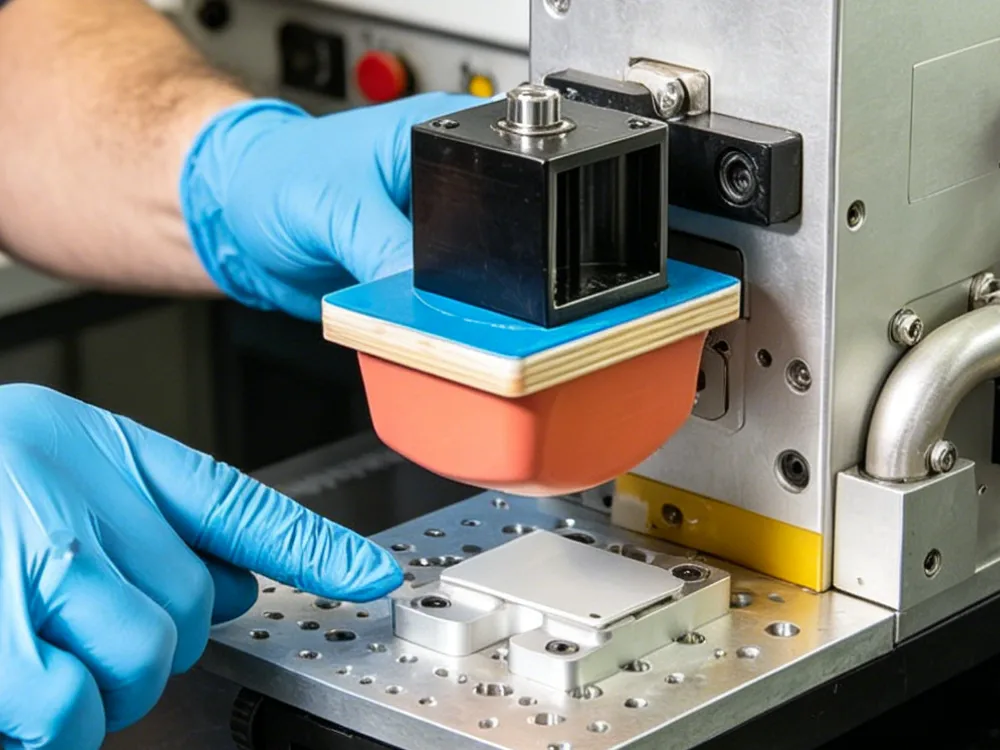
In pad printing, the silicone pad transfers the ink pattern from an engraved metal plate onto the product surface. Its soft and elastic properties allow it to print on flat, curved, and uneven surfaces that are difficult to handle with other printing methods.
The silicone pad is a key component in the pad printing process. It picks up the ink from the engraved plate and transfers it onto the product surface. Without the silicone pad, the image cannot be transferred from the plate to the substrate.
Another important feature of the silicone pad is its ability to control ink transfer. It ensures that the proper amount of ink is applied to the product. Too much ink may cause smudging, while too little ink may result in incomplete printing.
For a detailed introduction to pad printing principles, process, and applications, please refer to our guide: What Is Pad Printing?
How to Choose a Proper Silicone Pad for Your Pad Printing? Key Factors You Must Consider
As I mentioned above, the silicone pad determines the final print appearance on your products. But know that not all silicone pads are the same in quality or functionality. So it’s quite normal to make the wrong selection, which can later affect your entire project. To help you out, I will discuss some factors to consider before choosing a silicone pad.
1- Shape & Surface of Your Product
The first thing you must consider is the shape of the item you are printing on. As you know, every product has a different surface nature and shape. So the silicone pad you choose must match it. Let’s suppose you are printing a product with a flat surface. In this case, you will have to choose a hard silicone pad. This hard silicone pad will help apply stable pressure and achieve clean prints. But if your product has a curved, round, or uneven surface, you will most probably need a softer silicone pad. Its flexible nature will allow it to bend and adjust easily to the shape. Now, when the pad touches every part of the surface, it transfers the ink evenly and creates sharp prints.
2- Design Type & Detail Level You Want
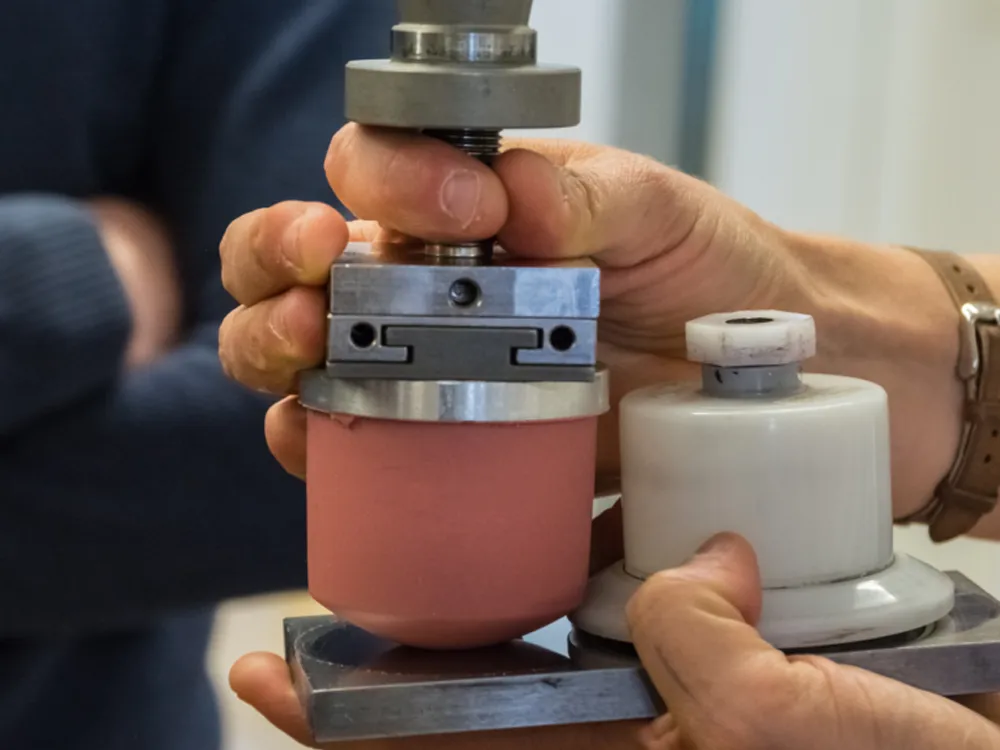
Interestingly, the intricacy and details of the design also influence the selection of the pad. How? The design with fine details will need soft pads. On the other hand, you should always prefer hard pads when the design is large and lacks fine details. The reason soft pads generally use more ink is that they spread it evenly to create designs. Even the smallest details, lines, or elements remain prominent. For designs where details are not important, hard pads work best. These pads can easily make the prints look bolder. Remember, designs that consist of thin lines, numbers, or small letters also require soft pads during pad printing.
3- Material of the Product Being Printed
Pad printing can apply designs or prints to various materials. These include plastic, glass, metals, and the list goes on. So the type of material you’re printing on also affects the pad selection. The reason is that the materials mentioned above behave differently when exposed to ink. For example, if you’re printing on plastics or glass, using a medium silicone pad is the best option.
Some materials are very hard, such as metals. For such materials, I recommend a harder silicone pad. The reason is that hard materials require more pressure to transfer and spread the ink. That’s where the hard silicon pads come in handy, as they can apply more pressure and transfer the ink perfectly. As a result, the ink will adhere to the material firmly and won’t fade over time.
4- Production Speed & Print Quantity
Are you printing a few products or in bulk? Additionally, do you want to print quickly? These factors also decide which pads you’ll need for pad printing. Suppose you are doing high-speed production or large-quantity printing. For this, you will need a harder silicone pad as it will stay stable and withstand repeated cycles. In other words, these hard pads won’t deteriorate and keep printing large amounts of material. This eventually increases productivity and helps you print more products in less time. However, if you are working on small production batches, a softer silicone pad is more suitable.
5- Durability & Lifespan of the Silicone Pad
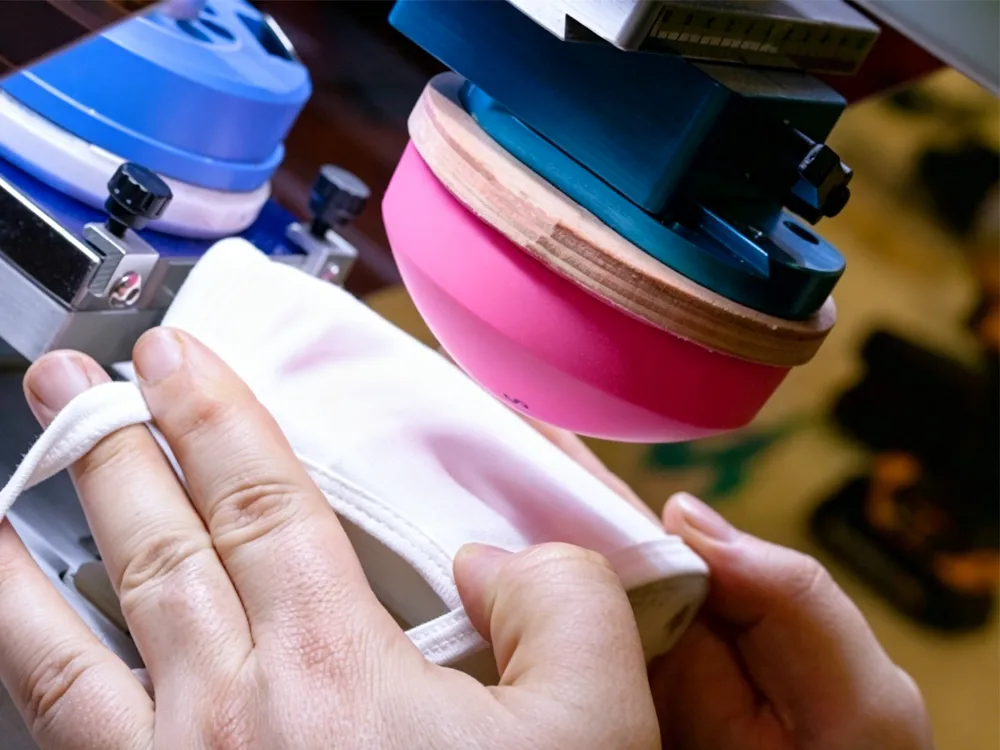
The pad’s durability ultimately affects your long-term investment. So you must be conscious of the silicone pad’s quality and lifespan. Are you doing continuous or long-term printing? You will need a silicone pad that is strong and long-lasting. For such needs, harder silicone is often the best choice because it can withstand daily wear and maintain its shape.
In contrast, soft silicone pads undoubtedly offer better detail in prints and flexibility. But they are slightly compromised in durability. Often, they get damaged when you put continuous pressure on them and lose their original shape.
6- Type of Ink You Are Using
The type of ink you use in pad printing is also a very critical factor when choosing a silicone pad. Keep in mind that different inks have different thicknesses, drying speeds, and chemical strengths. If the pad does not match that ink’s nature, the results will be ruined prints. So, if you are working with thick or highly pigmented ink, you will need more pressure to pick it up. Right? So, for such inks, select a harder silicone pad. But for thin or fast-flowing inks, a softer silicone pad is handy. Soft pads will easily pick up light ink and transfer it to your product smoothly without the risk of spreading too much.
Types of Silicone Pads
There are three common types of silicone pads for screen printing. These types are generally based on hardness.
- Soft Silicone Printing Pads
- Medium Silicone Pads
- Hard Silicone Pads
In these types, soft silicone pads have the highest flexibility. That’s why they are used for printing curved, uneven, delicate, or textured surfaces. These pads can easily bend and conform to the product’s shape, ensuring even printing. Above all, they are very useful for printing fine details, small text, and complex designs. They gently pick up and release ink without damaging the design.
On the other hand, medium silicone pads are the most balanced option, offering both flexibility and stability. So, these pads are mainly used in general printing jobs on slightly curved or flat surfaces. Remember, there are hard pads that have almost no flexibility. You can use them when printing on hard, flat surfaces that don’t have curves or require detailed printing. The hardness of these pads is also advantageous for large-scale production, as they don’t deteriorate too soon.
Conclusion
Pad printing is one of the most popular methods for creating prints on a variety of products. But the quality and durability of pad prints do not depend only on the machine. The silicone pad used plays a major role. But if you are new, you might make mistakes in choosing the right pad. That’s why, in this guide, I have discussed some factors you must consider. Every factor, such as the product material, surface shape, design details, durability, and production speed, matters a lot. When you choose the right silicone pad, you will get highly durable and high-quality prints.