Pad Printing Machines: Semi-Automatic & Custom Solutions

Pad printing is a printing process that can transfer a 2D image onto a 3D object. The silicone pad has special properties. It can pick up images from flat surfaces and transfer them to different objects. This includes flat, cylindrical, spherical, concave, and convex surfaces. Physical changes within the ink film, both on the cliché and on the pad, allow it to leave the etched image area and adhere to the pad, and subsequently release from the pad and adhere to the substrate.

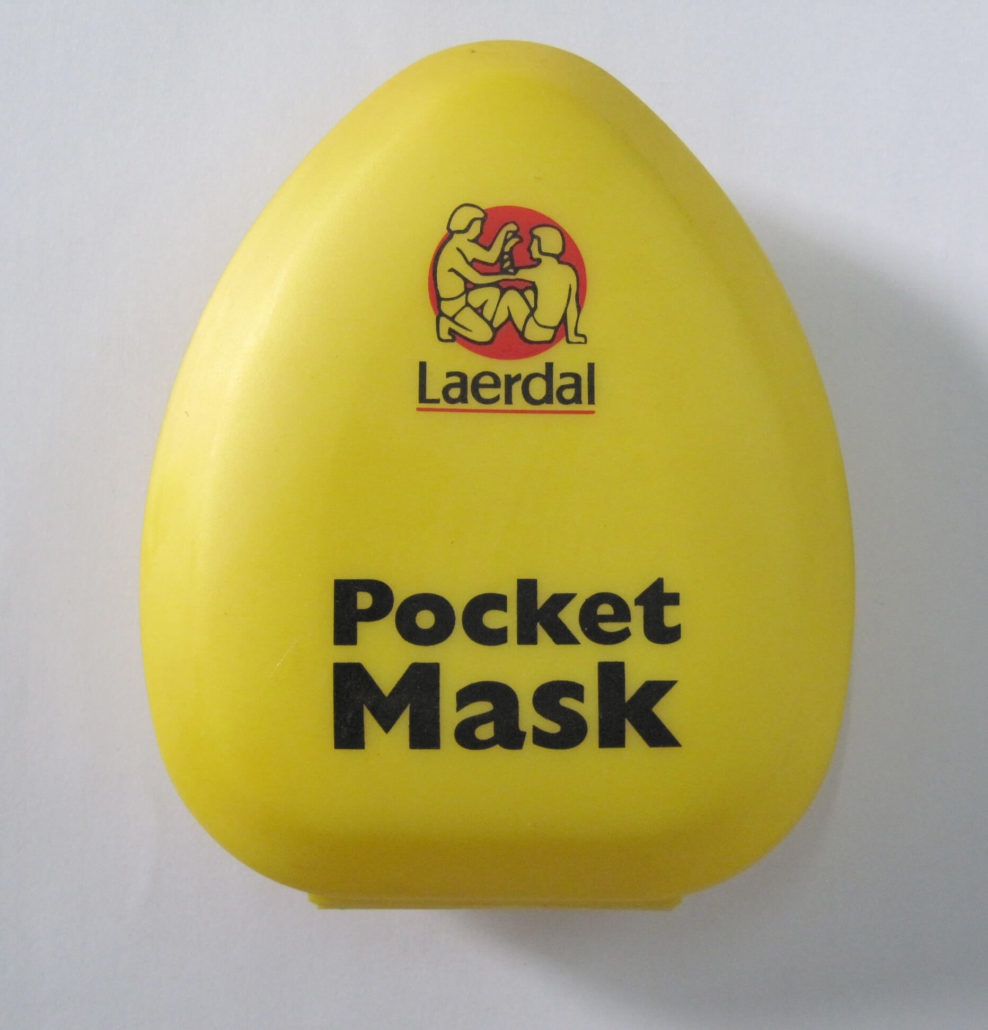
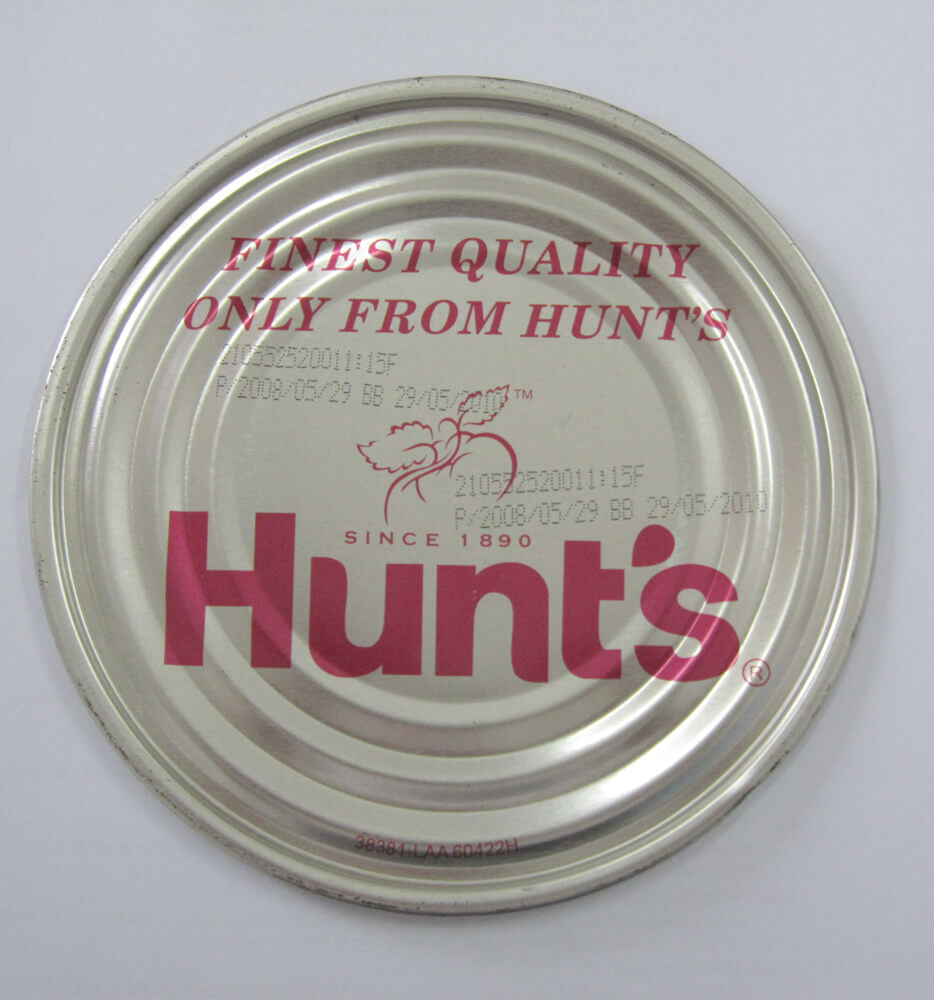
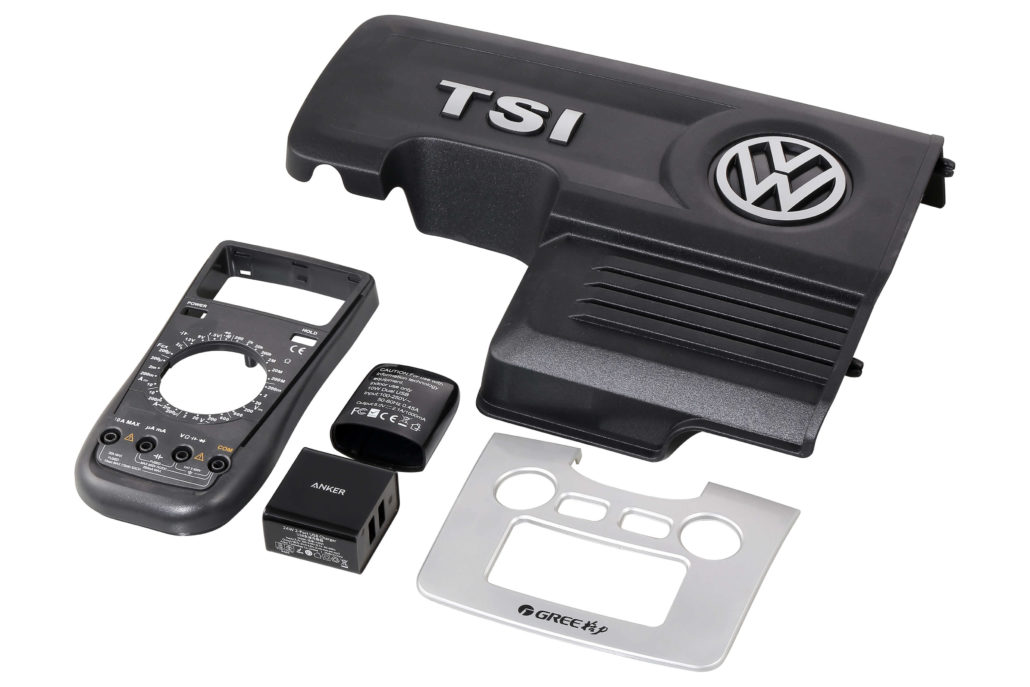
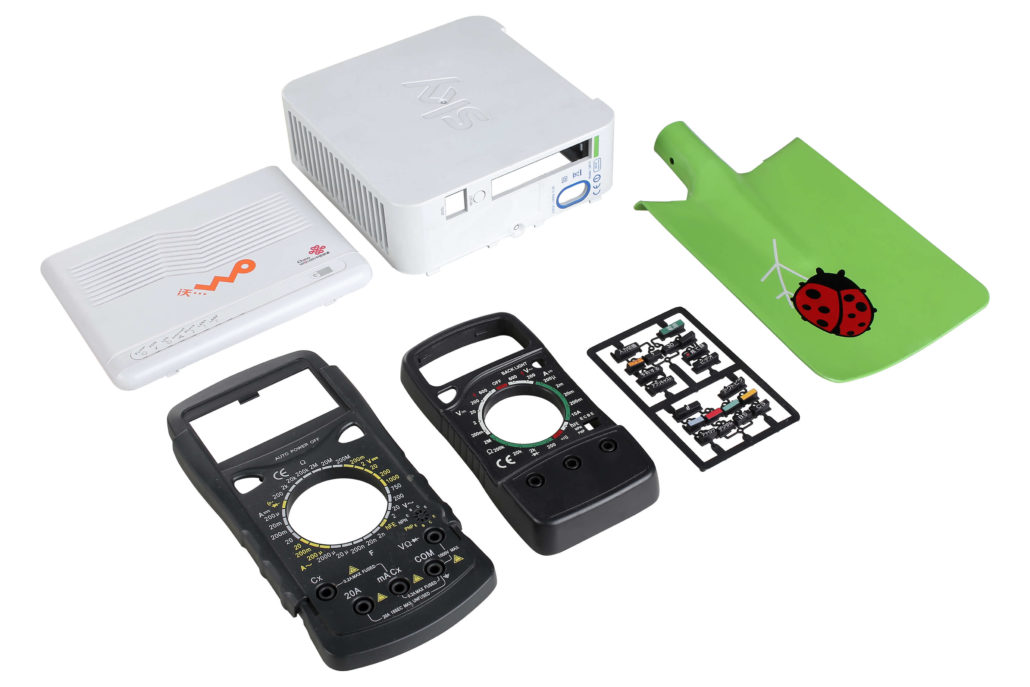
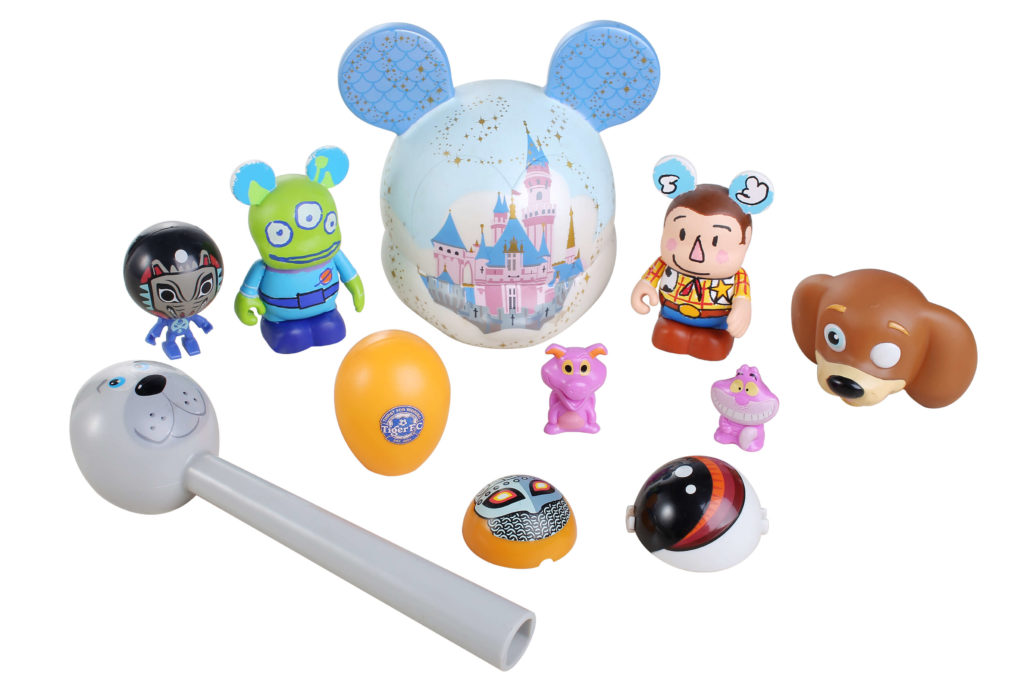
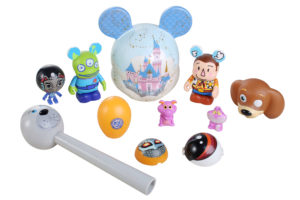
This process meets the needs of both industrial printing and consumer decoration across many industries, including medical treatment, automobiles, clothing, household appliances, sports equipment, and toys. Common applications include clothing labels, dials, and flash drives.

Semi-Automatic Pad Printing Machine Manufacturer

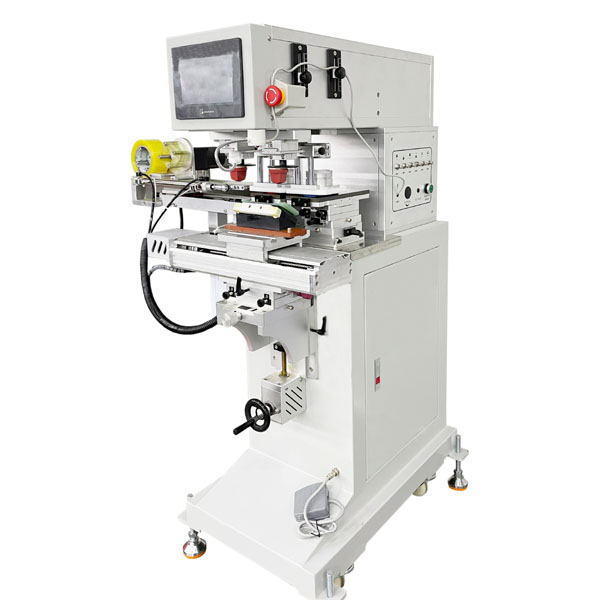
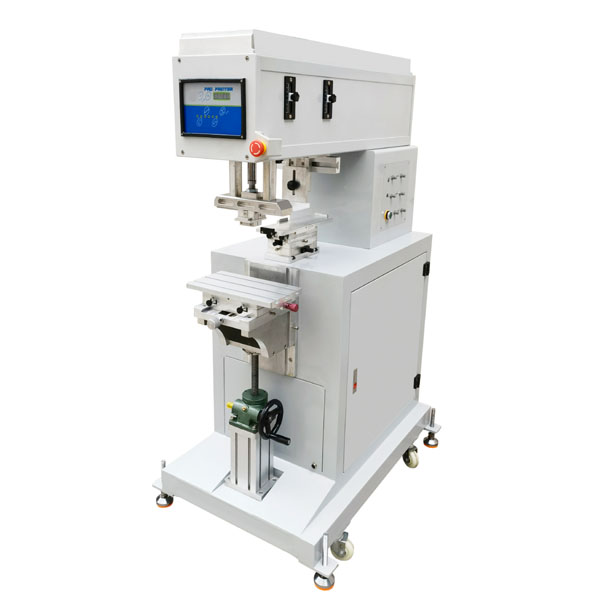
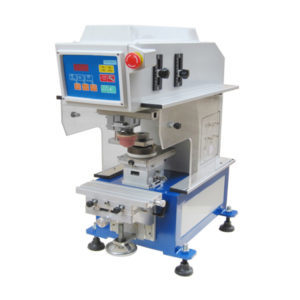
As a trusted pad printing machine manufacturer, we focus on providing a wide range of quality equipment at affordable prices. We offer a range of semi-automatic pad printing machines. You can choose from single-color, two-color, and five-color models. We also have servo-driven tabletop one-color machines. These printers fit various price ranges. They meet the unique needs and printing demands of different customers.

We are well-regarded in the printing industry. Our reputation comes from our high quality, unique designs, quick performance, and strong durability. We will recommend a full printing solution for your products based on your specific needs. Contact us today to find a perfect printing solution for your products.
Semi-automatic Pad Printing Machine for Sale

We are a specialized semi-automatic pad printing machine manufacturer. Auto Print has always been committed to the continuous innovation of pad printing equipment. We aim for technical excellence to meet our customers’ diverse printing needs. We also see environmental protection as a core mission. We offer valuable printing solutions. Whether you need a basic setup or a complex multi-color system, we can meet your production needs. Our machines for sale are widely used for printing bottles, signs, and other specialized products. We offer high-quality semi-automatic pad printers. This ensures we fit your specific production needs.

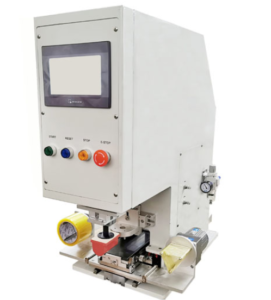
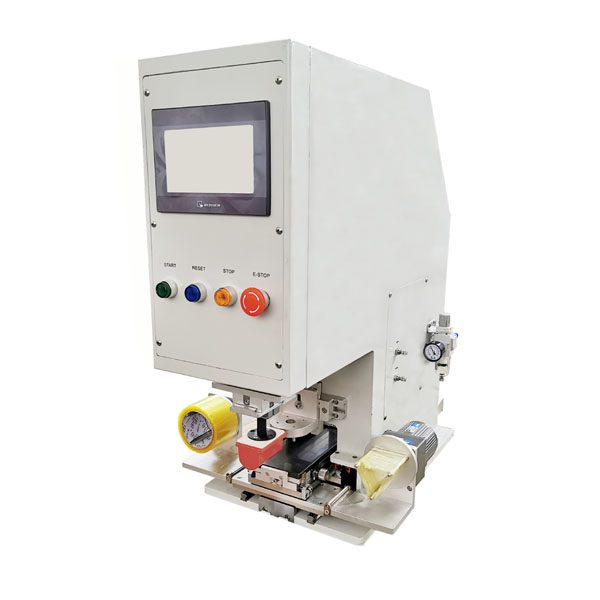
AP-100-SM is a tabletop pad printing machine with servo driven up/down and front/back stroke. All operations can be adjusted and programmed via the touch screen and controlled by a branded PLC. This pad printing machine has a stable working performance and can achieve high-precision printing. The ink cup size of this pad printer is 90x100mm, and the printing plate size is 100x215mm. It is widely used for small-part printing, especially high-quality parts such as automotive and electronic components. This tabletop pad printing machine is also suitable for integration into production lines.

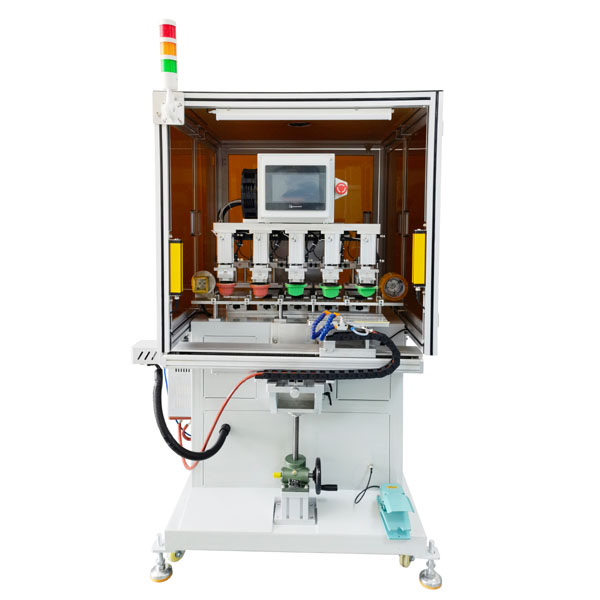
AP-250-5IP is a five-color pad printing machine with independent pad stroke; each pad print stroke is adjustable for different print requirements. The Part shuttle is driven by a programmable servo motor for accurate print and color-to-color registration. All the functions are easily controlled via the touchscreen. The tape cleaning system reduces operator workload and ensures a high-quality print. It can be configured from a 4-color to a 6-color machine.

The Auto Print two-color pad printing machines are divided into three series: the 125 series, suitable for printing small-sized parts; the 175 series, suitable for printing medium-sized parts; and the 250 series, suitable for printing large-sized parts. There are two common types of Auto Print two-color pad printing machines: one is equipped with a shuttle worktable, and the other with a pad transport shuttle. This standard two-color pad printing machine is pneumatically driven, but we also offer other types, such as servo motor-driven pad printers. We also provide full pad printing kits.

Auto Print one-color pad printing machine is the most popular pad printer. Most of our one-color pad printers are equipped with closed ink cups. This one-color pad printing machine offers a variety of sizes and can print a range of products. This one-color pad printing machine features a sturdy welded-steel base, an adjustable floor leveler, and a height-adjustable worktable. All standard machines are pneumatically driven and controlled by a PCB. We also have servo-driven machines and provide complete pad printing kits.

Semi-Automatic Pad Printing Machine Features:

  • The semi-automatic pad printing machine is controlled by a microprocessor. It has practical functions and simple operation.
  • The semi-automatic pad printing machine features a sealed-ink-cup system. The ink cup design has no peculiar smell and less evaporation.
  • An independent silicone pad is convenient for adjustment and accurate positioning.
  • Independent X, Y printing pad adjustment;
  • The overall structure is made of high-quality alloy, which is light and durable.

Custom Automatic Pad Printing Machine

In addition to our existing semi-automatic pad printing machines, we also provide customized production services. In this way, we could meet the actual printing needs. Our professional team will understand the customer’s printing needs in detail. And we provide customers with specialized solutions tailored to the product’s printing area, graphics, and other information, including the machine model, application scope, and other factors.

Specialized Services for Fully Automatic Systems

Our custom fully automatic pad printing machine provides the following services:

  • Provide a 1-year warranty service for each custom automatic pad printing machine.
  • If there’s an issue with the printer’s electrical components, they will offer a free warranty or replacement within one year.
  • Provide printing technical services for each pad printer.
  • Each custom pad printing machine provides supporting printing accessories and consumables.
  • When you buy our pad printing machine, we offer a lifetime free consultation. This includes 6*15 hours of online support.

automatic pad printing machine samples

Pad Printing Machine Price

Many customers search for reliable pad printing machine manufacturers to get the best quality and price. Here at Auto Print, semi-automatic models start at $2,000 and go up to $6,000. Our standard pad printing machine types include one-color pad printers, two-color pad printers, and four-color pad printers. These machines are offered in small, medium, and large sizes. This variety suits different production spaces and substrate sizes.

Automatic pad printers: The cost of custom automatic pad printing machines depends on the type and size of the machine.

Pad Printer for Sale: Your Top Questions Answered

The pad printer is mainly composed of three parts: the pad, the ink cup, and the pad printing plate. Below is some detailed information on the three parts.

1. What is Pad Printing?

The pad is the device that transfers ink in a pad printer. The pad compresses the ink-filled etching plate to pick up the image. Then, the pad slides on the product and compresses it again to print the image. The pad is made of silicone material. The type of silicone and the pad’s hardness depend on the specific application of the pad printer. Silicone pad printing comes in a variety of shapes and sizes to meet customers’ various printing needs. The most common types are round and rectangular, and pad printing can also be customized to meet specific printing needs.

2. What is a Pad Printing Plate?

The image to be printed is etched onto the pad printing plate, also called a cliché. It can be replaced based on different pattern-printing requirements. The quality of the pad printing plate and the printed image directly affect the printing effect. Our pad printing plates have excellent performance and can be used in a variety of applications and machine types.

3. What is an Ink Cup?

The ink cup is a mechanism for holding ink in the motorized pad printing machine. The ink cup slides smoothly and quickly during the etching process. Leaving only a thin layer of ink in the etched areas during the doctoring process—this is called doctor blading. The main function of the ink cup in the printing process is to store ink in a sealed container and to scrape off excess ink. This is the only way to ensure the printing quality of the pad printing equipment remains consistently high.

A motorized pad printing machine has 3 main parts that make it work: a silicone pad, an ink cup, and a plate. The plate is etched with an image. An ink cup holds the ink above the plate, and the cup slides to make the ink leave at the etched position. The pad is a transfer tool that is pressed onto an ink-filled, etched area to pick up the image and then transfer it onto the part.

  1. The pad printing cycle begins with the ink cup (or ink tray) filling the etched image area on the steel plate with ink. The silicone printing pad then picks up the ink from the etched area. Some pad printing equipment uses an open ink-well (tray) system, while others use a closed/sealed ink-cup system. The latter can reduce ink volatilization rates and is more environmentally friendly, convenient, and safer. The ink viscosity at this stage must be moderate so that it spreads evenly on the plate surface and fully fills the etched image area.
  2. The pad printer can scrape the ink from the raised part (blank space) of the plate and allow it to enter only the etched image area. Since the solvent is volatile, this will cause the ink on the surface in the etching area of the image to be more sticky than the ink below.
  3. The silicone printing pad uniformly applies pressure to the recessed image area while squeezing out the air. At this time, the surface ink viscosity in the etching area of the image is relatively high. So the ink can leave the etched area and adhere to the silicone printing pad.
  4. When the pad leaves the printing plate, the solvent on its surface evaporates, making the image on the pad easier to transfer to the products.
  5. When the printing pad touches the surface of the substrate, the image can be transferred smoothly on the surface of the product. This is because of the high viscosity of the ink on the silicone printing pad. In this step, the silicone printing pad may exert a lot of pressure. But the unique shape of the pad and its high elasticity enable the image to contact the substrate in a curved manner of a flat surface. At the same time, it can prevent air from forming between the pad and the substrate, ensuring that the image is completely transferred to the product.
  6. The silicone printing pad is removed from the plate, and printing is complete.

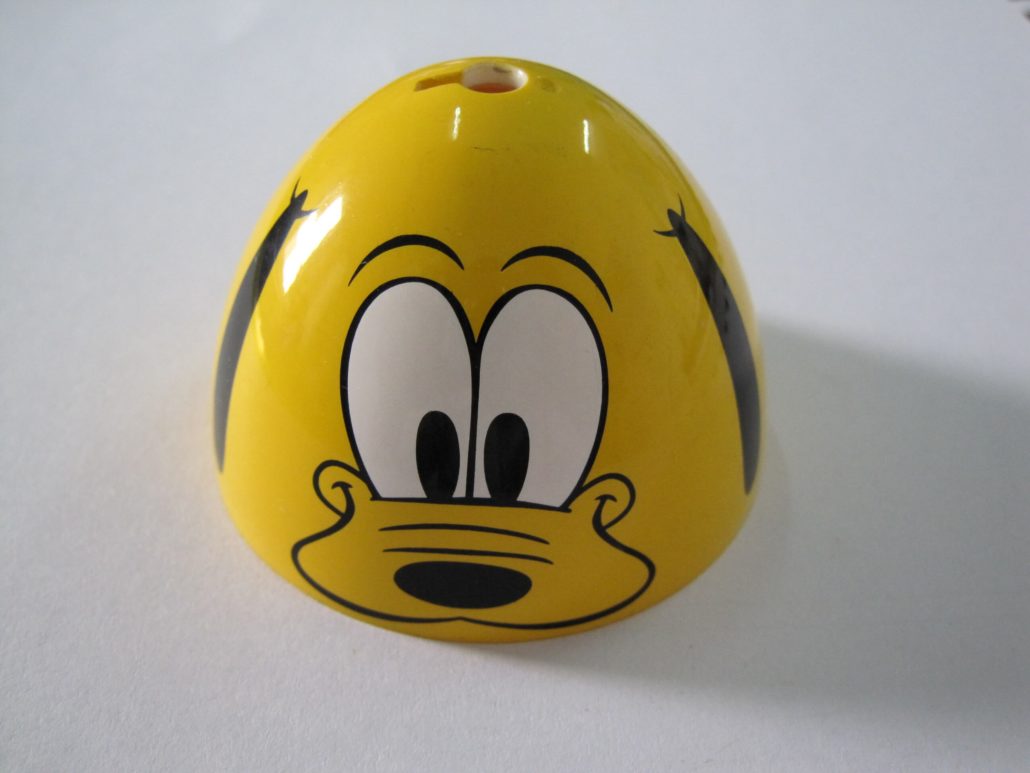
Pad printing is widely used in many different industries and on a variety of products, including:

  • Electronic micro components, such as cables, connectors, IC chips, relays, SD cards, CDs, etc.
  • Industrial buttons and keys, as found on calculators, telephones, computer keyboards, etc.
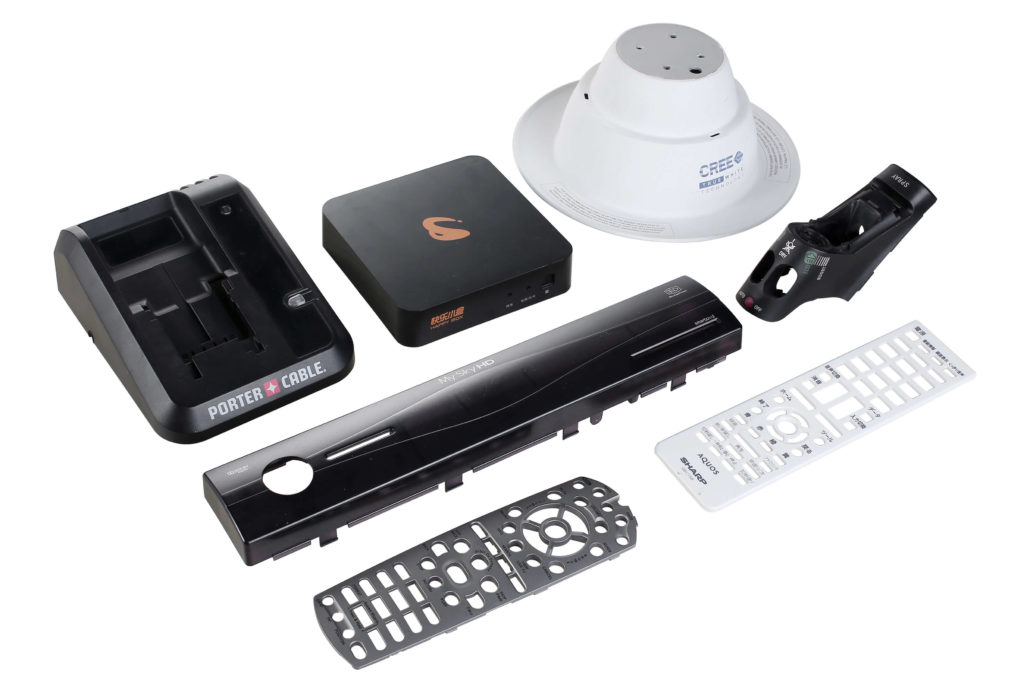
  • Electrical household appliances, such as irons, VCRs, TVs, coffee pots, telephones, etc.
  • Large industrial appliance panels, such as those on dishwashers, washing machines, dryers, air conditioners, etc.
  • Toys, such as figurines, dolls, cars, infant bottles, pacifiers, rattles, and night lights.
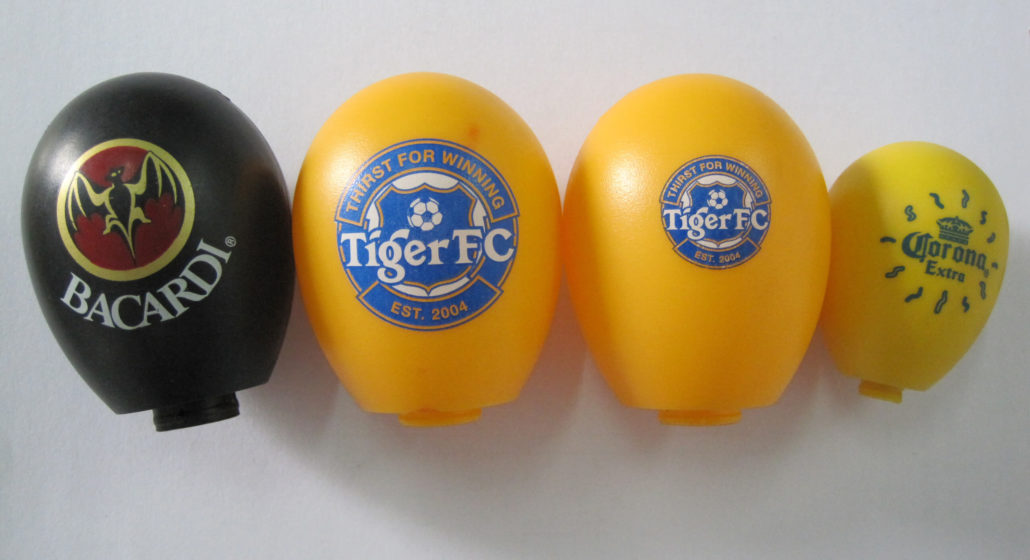
  • Advertising and promotional items, like pens, lighters, key chains, USB drives, watch dials, etc.
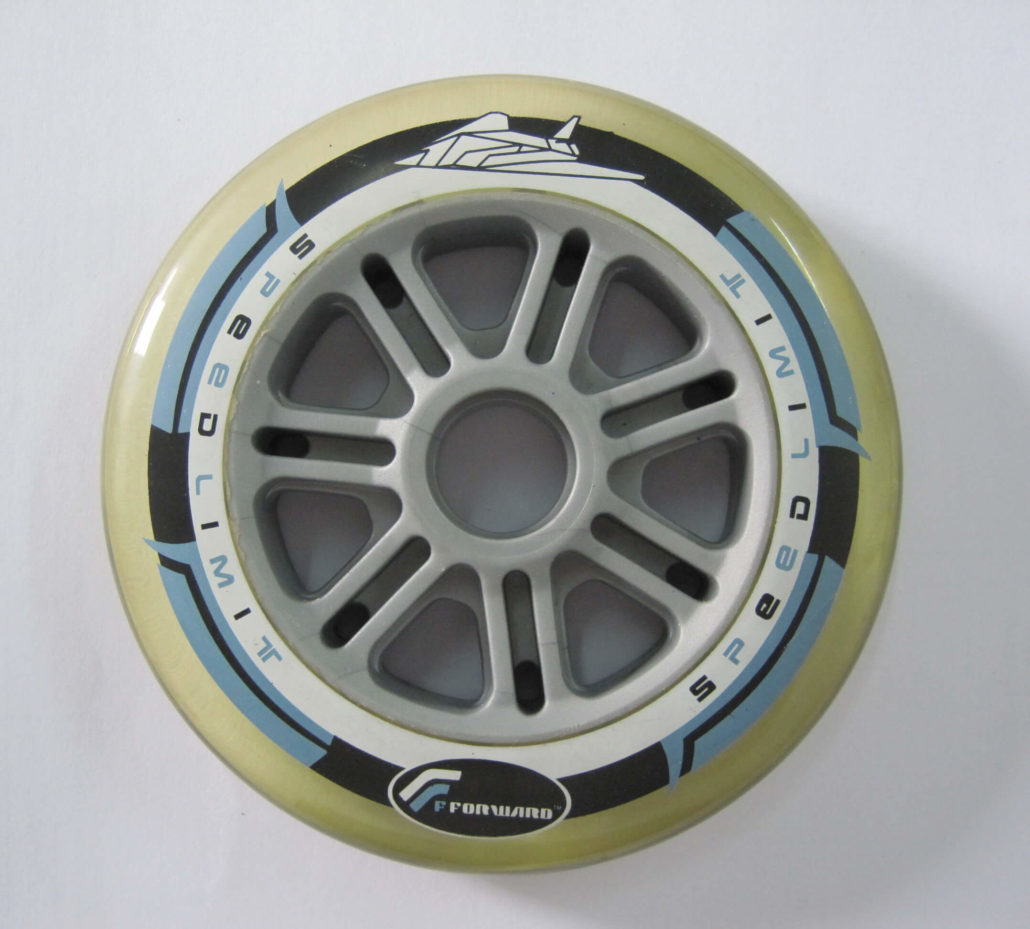
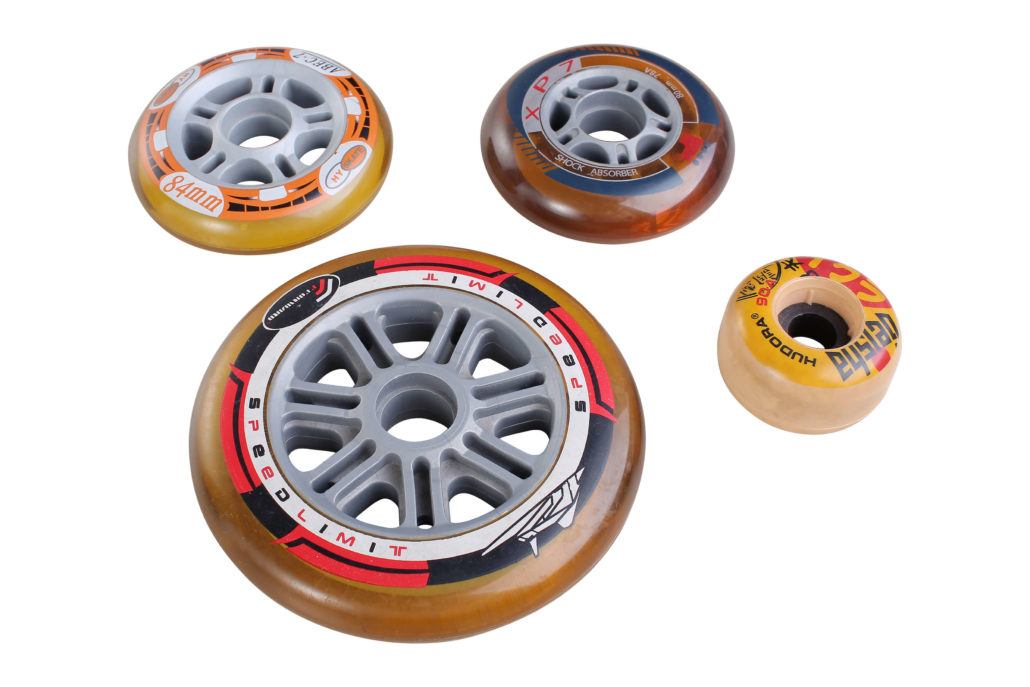
  • Sporting goods, such as golf balls, baseballs, skateboard wheels, shoes, etc.
  • Automotive parts, like indicators, press buttons, etc.
  • Ceramic and glass dishes, clay bodies, biscuit materials, etc.
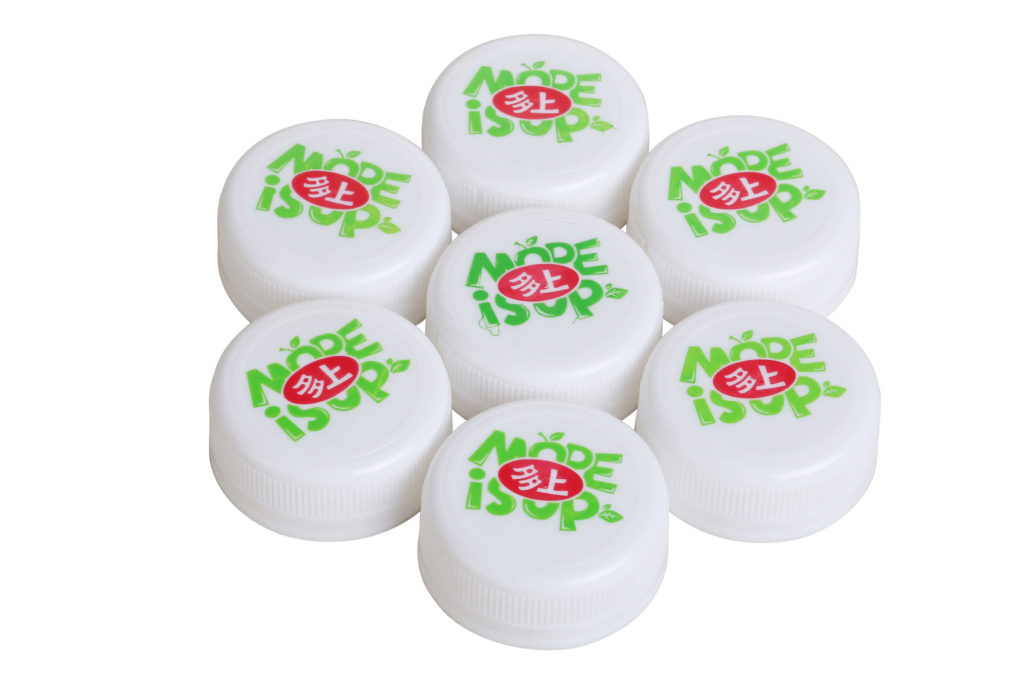
  • Other industrial parts, like injection-molded parts, safety helmets, tagless garments, bottle caps, etc.

When you have bottles or tubes in hand, you have the ideas of the bottle or tube dimensions, colors, and production output.

1. For one-color printing and small quantities, we recommend using semi-automatic pad printing machines.

  • OS-300: prints Ø10mm–Ø75mm on bottles and tubes
  • OS-400: prints Ø10mm–Ø110mm on bottles and tubes
  • OS-700: prints Ø10mm–Ø200mm on bottles and tubes
  • OS-1200: prints Ø200mm–Ø350mm on buckets/pails

When printing on PP, PE, HDPE, LDPE, and Tritan materials, surface treatment (flame treating or plasma) is required before printing. If using UV ink, UV curing is needed after printing.

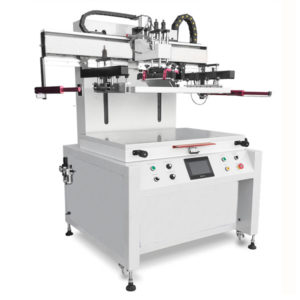
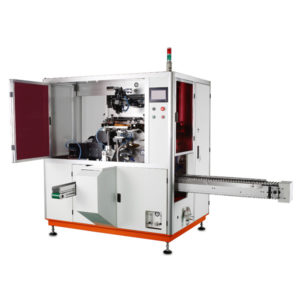
2. For one-color to multi-color printing (up to 6 colors or more) and large quantities, we recommend using fully automatic bottle UV screen printing machines. These automatic machines integrate flame treating, screen printing, and UV curing in one system. Their features include fast speed for high output and cost savings, especially for multicolor printing.

  • OS-767 series: prints Ø10mm–Ø100mm on bottles and jars
  • OS-R320 rotary table machine: prints Ø20mm–Ø90mm on bottles (without registration ramp/anchor point at the bottom) and soft tubes
  • OS-175 vertical rotary table machine: prints Ø10mm–Ø75mm on soft tubes, centrifuge tubes, and plastic jars (one color only)
  • OS-1000 series: prints Ø150mm–Ø350mm on plastic pails/buckets (from 1 color to 8 colors)

Besides the above-mentioned printing machines, we also offer automatic hot stamping solutions, automatic screen printing solutions for flat objects, and other customized automatic printing solutions.

Installation and Training:

When you first time to buy this kind of bottle printing machine you need our training for proper use and maintenance.

  1. We are available to send our experienced technicians to your facility for installation and training. It normally takes one week. And the buyer should cover the round-trip air tickets and accommodations. Or the buyer sends an operator to our factory for three days of training.
    The training is very important for buying new equipment, this will save your hours and improve production efficiency.
  2. Machine with 12months Within this period, all the electrical and pneumatic parts can be replaced for free.

Online Service:

We offer 6×15 hours online service.

Monday to Saturday, 8:00 – 23:00, China Standard Time (UTC/GMT+08:00)

The pad printing process has developed rapidly and now become one of the most important printing processes. Pad printers are also widely praised for their excellent printing performance. Among them, the printing pad is made of silicone resin, which is easy to deform and has good ink repellency, so it can adhesive a good transfer image effect. Pad printing can print on uneven surfaces. The printed images include simple patterns and colorful photographs and other forms. The pad printing process is flexible and versatile, and can continuously meet the printing needs of the market. But everything is two-sided, and pad printers also have advantages and limitations.

Advantages of automatic pad printing machine:

Electric pad printers are versatile and can quickly print on almost any material surface. They can print on the surface of special shapes, such as convex, curved, concave, and so forth, which are popular among innovative companies.

Disadvantages of automatic pad printing machine:

It is often difficult to achieve the ideal printing effect when printing larger-sized patterns on curved objects. Even if a specially customized pad is used, the printing effect will be limited by the pressure of the pad and the size of the printing area.

The printing pad is made of silicone. The electric pad printing machine mainly uses the pad to compress the etching area to pick up text or images. And then transfer the text or image ink to the product. Pad printing has now become a very popular printing technique. Common applications include computer keyboards, product Logos, household appliances, and so on. Therefore, the pad printing effect has a great relationship with the quality of the silicone printing pad. So how should we choose pad printing?

  • The shape of the silicone printing pad: choose a suitable pad according to the pattern size and product shape to be printed.
  • Good wear resistance and ink adhesion performance.
  • The printing pad has fine resilience.
  • The printing pattern is clear. (you can test the pad before buying.)

In this part, we will talk about ink mixing, which is a basic but crucial step to achieve a high-quality printing effect. If ink mixing fails, the whole printing process will make you disappointed. At the same time, it will lead to the loss of production, time and energy.

Before printing, you should choose the right pad printing equipment. Including unlined mixing cups, precise electronic scale and mixing sticks. Without these pad printing equipment, ink mixing will be a tough job, leading to a poor printing effect.

Pad Printing Ink Mixing Steps:

  • Zero the electronic scale and make sure it is on a flat surface.
  • Add ink to a mixing cup. Because ink will not flow well in a mixing cup once mixed, you should try to add more than 40 grams of ink.
  • Add an appropriate hardener in accordance with your ink type. Some ink manufacturers will give you some guidance for reference.
  • Mix your printing ink and hardener completely. Please notice the pot life of mixed ink.
  • Then add solvent at an appropriate ratio drip by drip, until a working viscosity is achieved. (Note: Don’t add all the solvent at one time in case of over-thinning ink.
  • Pour the mixed ink into an ink cup of an electric pad printing machine.

If you refer to these basic steps of printing ink mixing, it will help you to improve your printing effect.

10 Best Pad Printing Machine

Pad printing machine is a kind of printing equipment. Now it has become the main...

An Introduction To Pad Printer For Sale

There are many well-known pad printing equipment manufacturers globally, and they operate a professional pad...

Top 10 Pad Printing Equipment Manufacturers

Pad printer is a standard machine for printing and decorating the surface of many objects....

PAD PRINTING VS. SCREEN PRINTING: WHICH IS BEST FOR YOU?

It takes extensive consideration into the equipment, process, and medium to select the best graphical...

WHAT IS PAD PRINTING?

DEFINITION Pad printing also named tampo printing or tampography, is a kind of gravure printing...